



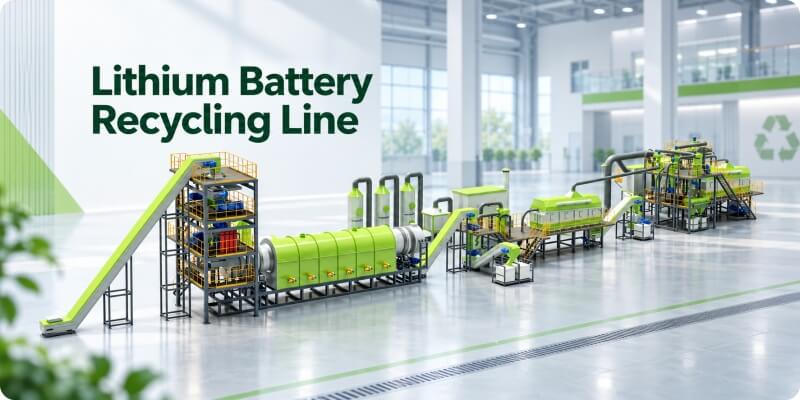




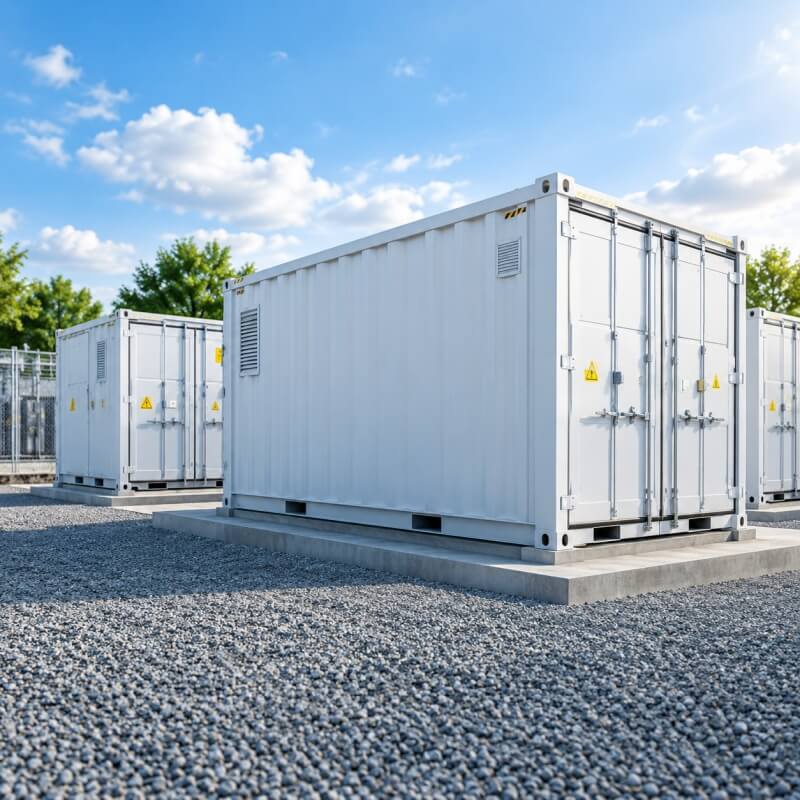





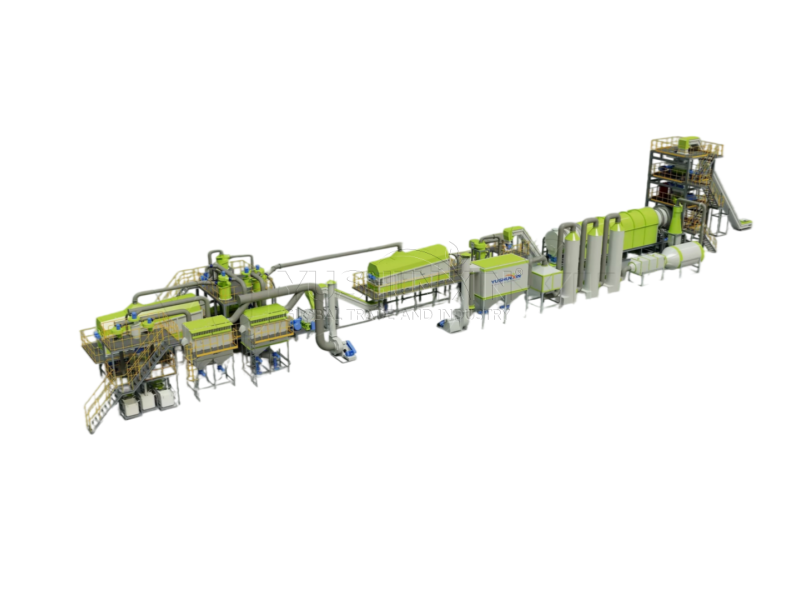


Grid-scale ESS battery recycling is moving from waste disposal to infrastructure planning. As utility energy storage projects enter large-scale retirement cycles, owners need safe and compliant recycling routes for battery cabinets, packs and modules. A reliable Línea de reciclaje de baterías ESS should connect receiving, risk grading, descargar, desmantelamiento, trituración controlada, material separation and black mass recovery. Para inversores industriales, the goal is clear: reduce safety risk, meet compliance demands and recover higher material value.
How Should Utility ESS Recycling Lines Match Project-Scale Battery Retirement?
01 · RequirementUtility ESS retirement is no longer a small recycling flow. Global battery storage additions reached 108 GW in 2025, up about 40% from 2024. Por lo tanto, future recycling demand will come from large energy storage assets, not scattered battery waste. A practical solution must match asset ownership, battery structure, logistics volume and long-term project contracts.
Energy Asset Owners Drive Recycling Demand
Grid-scale ESS batteries mainly come from BESS operators, grid companies, contratistas EPC, and recycling partners. These clients need traceable receiving, risk grading, almacenamiento, and batch processing.
Battery Form Determines Equipment Configuration
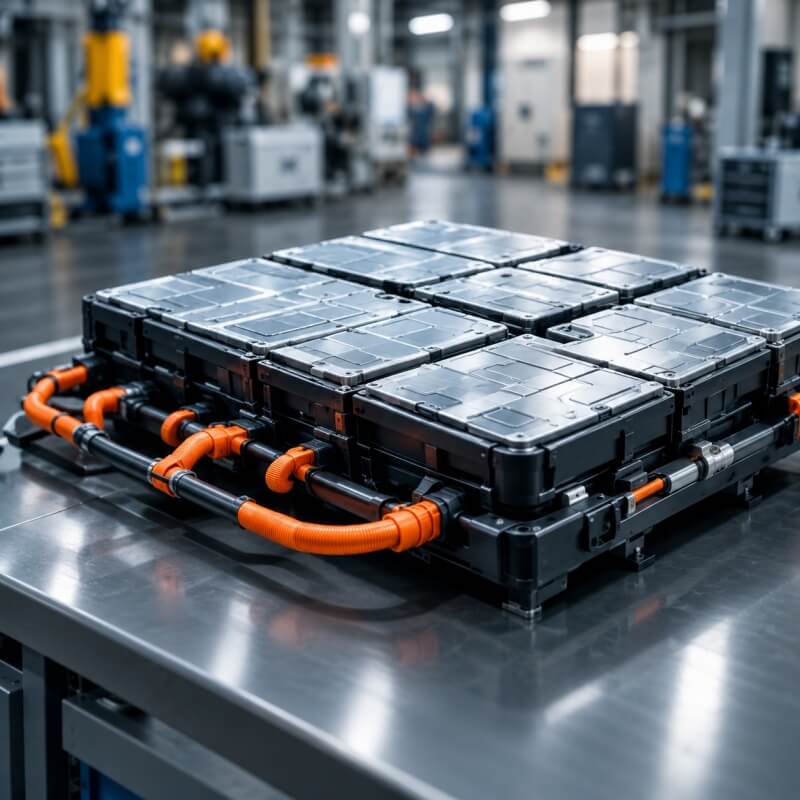
Las baterías ESS pueden llegar en forma de gabinetes, racks, paquetes, módulos, or cells. Their different sizes and risks affect dismantling, alimentación, aplastante, and isolation equipment.
Contract Volume Defines Project Capacity
Capacity should follow annual battery volume, delivery schedules, and storage needs. Flexible receiving, tratamiento, and expansion capacity helps match changing ESS recycling demand.
How Can A Front-End Safety Gate Reduce ESS Recycling Risk?
02 · Safety GateUtility ESS batteries bring risk before they reach the crusher. Residual energy, damaged modules and mixed battery conditions can trigger fire or short-circuit events. Por lo tanto, the recycling solution should build a front-end safety gate. This gate controls receiving, inspección, voltage testing, discharge confirmation and batch entry.
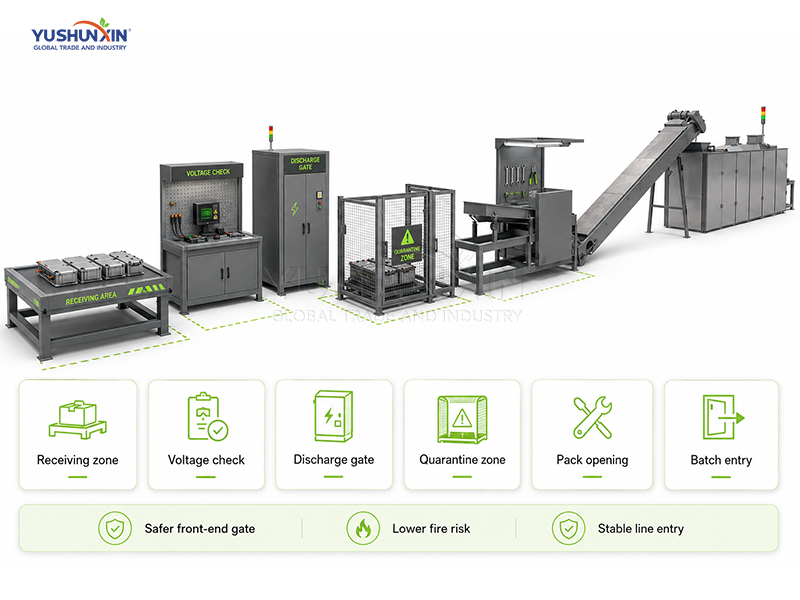
Segmented Receiving Controls The First Risk Layer
Battery Entry Should Follow 100% Voltage Checking
Discharge Should Work As A Production Gate
How Can The Line Move From Cabinet To Module Processing?
03 · Cabinet To ModuleGrid-scale ESS batteries usually enter recycling plants as cabinets, racks, packs or modules. Por lo tanto, the layout should reduce structure size step by step. The line should not send complete cabinets into the crusher. En cambio, it should use heavy handling, pack opening and controlled module feeding to protect safety and throughput.
Heavy Handling Supports Safe Dismantling
Large ESS cabinets need forklift access, equipo de elevación, stable platforms, and insulated tools. Dedicated receiving and emergency areas provide safer conditions for cabinet inspection and dismantling.
Pack Opening Prepares Stable Feedstock
Pack dismantling separates shells, cables, busbars, BMS units, and modules. This creates more uniform feedstock and helps reduce blockage, sparks, and unstable crusher loads.
Controlled Feeding Stabilizes Crushing
Controlled conveyors and dosing feeders match module flow with crusher capacity. Stable feeding reduces material accumulation and supports smoother crushing, separación, y recuperación de masa negra.
Which Crushing And Sorting Solution Keeps ESS Black Mass Cleaner?
04 · SoluciónESS recycling value depends on black mass purity. If crushing mixes cobre, aluminio, separator film and electrode powder, recovery value drops. Por lo tanto, the line should control crushing risk, sorting accuracy and powder collection from the start.
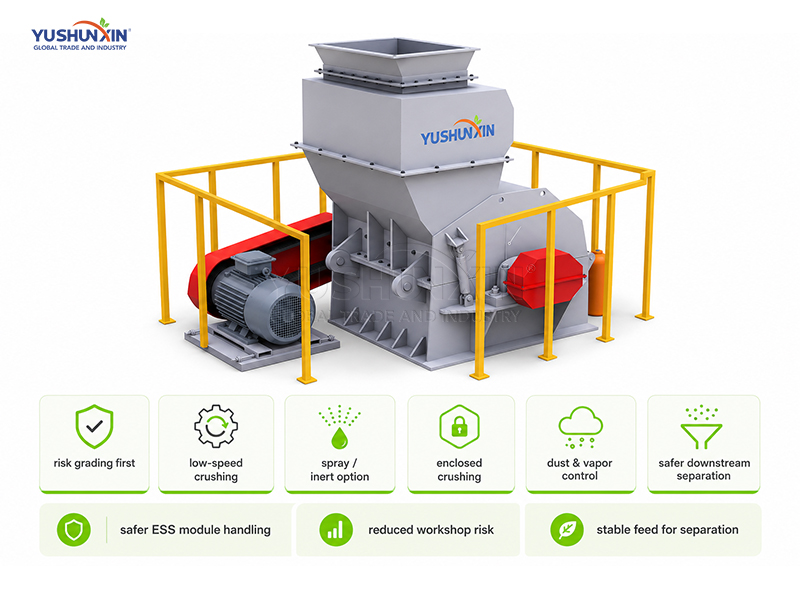
Controlled Crushing
Reduces Safety Risk
ESS modules need risk grading before crushing. Stable modules can use dry low-speed crushing. Damaged batteries may need spray control or inert protection. Enclosed crushing also helps control dust and vapor. It reduces workshop risk and protects downstream separation.
Multi-Stage Sorting
Separates More Value
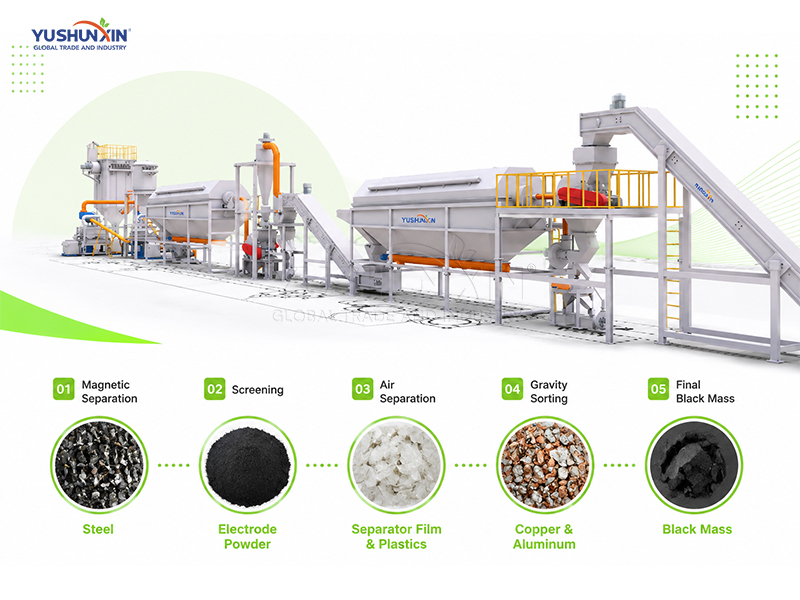
The line should separate materials step by step. Magnetic separation removes steel first. Screening separates electrode powder. Air separation removes separator film and plastics. Gravity sorting improves copper and aluminum recovery. Cleaner outlets mean higher material value. They also make black mass easier to sell.
Sealed Powder Collection
Protects Quality
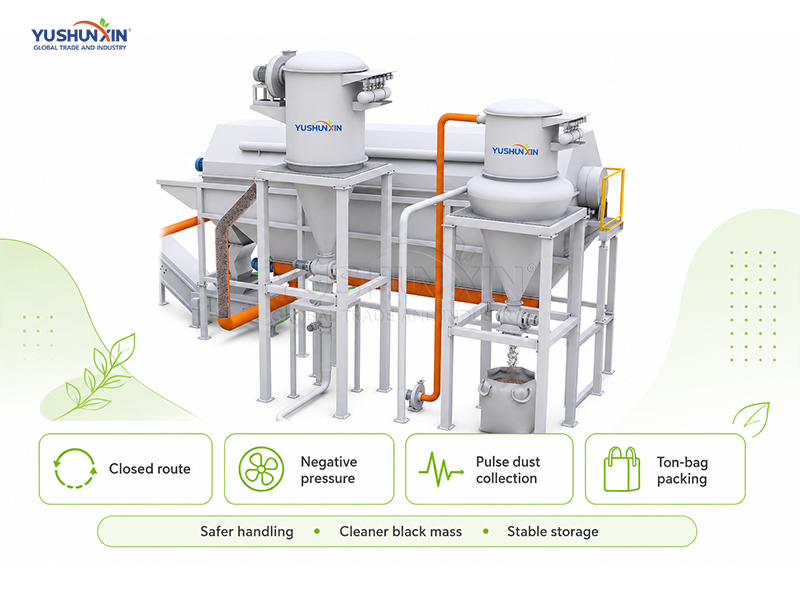
Black mass collection needs a closed route. Negative pressure reduces powder leakage. Pulse dust collection captures fine particles. Entonces, powder conveying and ton-bag packing support storage and shipment. Good dust control improves safety. It also keeps black mass cleaner and more stable.
How Can A Compliance-Ready ESS Recycling Solution Pass Utility Review?
05 · Utility ReviewUtility clients review a recycling line as an approval-ready project. They check fire control, emisiones, documents and supplier execution. Por lo tanto, the solution should include equipment, safety systems and project files together. This helps investors move from technical selection to local permit review.
CONTROL
Fire-risk control needs detection, zoning and fast shutdown
Grid-scale ESS batteries may contain residual energy and electrolyte risk. So the line needs temperature monitoring, smoke detection and fire alarm points. It should also include explosion relief, fire-resistant zones and emergency spraying. Entonces, the PLC interlock can stop feeding, crushing and conveying quickly. This design reduces chain-reaction risk during abnormal heating.
CONTROL
Emission control should match the local permit route
Large ESS recycling projects face strict review in Europe, the Middle East and Southeast Asia. Por lo tanto, the system should collect dust from crushing, screening and black mass handling. Gas purification should control electrolyte vapor, odor and fine particles. Wastewater treatment and hazardous waste storage also need clear design. This makes the project easier to explain during environmental approval.
FILES
Procurement files should prove the full project capability
High-value clients need more than a quotation. They usually review process flow diagrams, plant layout drawings and electrical control plans. They also need CE documents, manuales, maintenance plans and installation schedules. Training files help the buyer prepare operators before commissioning. De este modo, the supplier presents a complete ESS battery recycling solution, not only separate machines.
How Can An ESS Recycling Line Turn Material Flow Into A Bankable Project?
06 · Bankable ProjectESS recycling profit should not rely on black mass alone. Utility-scale battery projects also release copper, aluminio, acero, plastics and electronic parts. So the ROI model should connect material recovery, safety cost and stable throughput. A stronger plan starts with output mapping, then controls front-end cost. Después, the line should reserve expansion space for future ESS retirement contracts.
Map Recovered Materials Before Profit
Black mass provides core value, while copper, aluminio, and steel add revenue. Battery chemistry also affects material value, so each recovered fraction should be defined before project pricing.
Control Front-End Costs Before Crushing
Descargar, desmantelamiento, and feeding affect daily operating costs. Proper front-end equipment reduces delays, protects crushers, and keeps separation performance more stable.
Reserve Space For Future Expansion
ESS battery supply may grow across different projects and years. Reserved dismantling, aplastante, and collection capacity allows the plant to accept larger contracts without major reconstruction.
Resumen
Grid-scale ESS battery recycling needs more than a single machine. It needs a complete project solution. A reliable line should connect battery receiving, risk grading, descargar, desmantelamiento, trituración controlada, separación, black mass collection and environmental control. Yushunxin can provide a customized ESS battery recycling solution based on your battery type, disposición de la planta, capacity target and compliance requirements. We can also support related systems, including battery discharge, module dismantling, lithium battery recycling equipment, recuperación de masa negra and e-waste recycling solutions.
De tus necesidades
al impacto real


