













As utility-scale solar farms enter repowering and retirement cycles, PV waste recycling is becoming an industrial asset-management issue. Perciò, project owners need more than module disposal. They need a recycling route that supports compliance, material recovery and long-term return. This article focuses on how single-glass, double-glass and mixed PV waste can match mechanical recycling, pyrolysis delamination, emission treatment and optional silver extraction, so large solar assets can move from decommissioning to profitable resource recovery.
How Should Industrial Solar Assets Plan PV Waste Recycling Before Dismantling?
01 · Pianificazione
Large PV decommissioning starts before the first module leaves the site. Perciò, solar farm owners, IPP companies, Appaltatori EPC, O&M teams and recycling groups need a project plan first. A clear recycling plan helps control dismantling cost, equipment matching, site clearance time and compliance risk.
PV Data Defines Recycling Route
Module quantity, peso, and structure determine the recycling solution. Vetro singolo, doppio vetro, and damaged panels require different routes, so early inspection helps optimize equipment selection and quotation.
Logistics Planning Controls Project Cost
Recycling cost depends on more than equipment. Sorting, magazzinaggio, trasporto, caricamento, and site flow also affect operation efficiency. Proper logistics planning helps maintain stable plant performance.
ESG Records Support Project Closure
A complete recycling project needs clear disposal records and material tracking. Recovery data for glass, alluminio, silicio, and metals helps owners meet ESG requirements and reduce compliance risks.
How Can Different PV Waste Match The Right Recycling Line?
02 · SoluzioneUtility-scale PV assets rarely produce one clean waste stream. Perciò, your recycling plan should first classify module type, breakage level and impurity condition. Poi, each stream can match a suitable equipment route. This avoids oversizing, poor separation and unnecessary investment.
Single-glass Modules Can Use A Mechanical Recovery Line
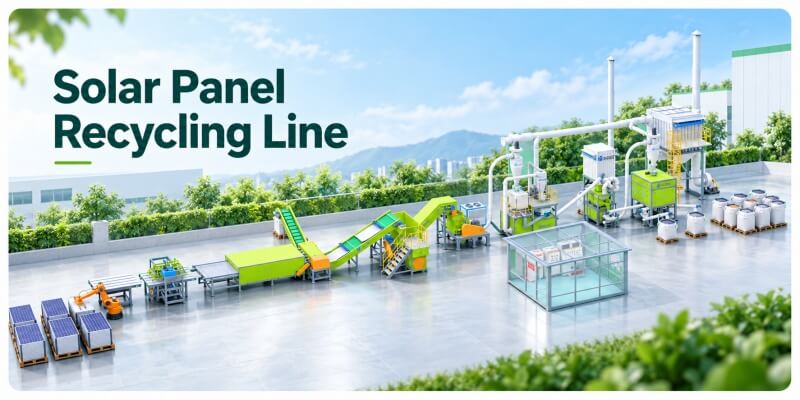
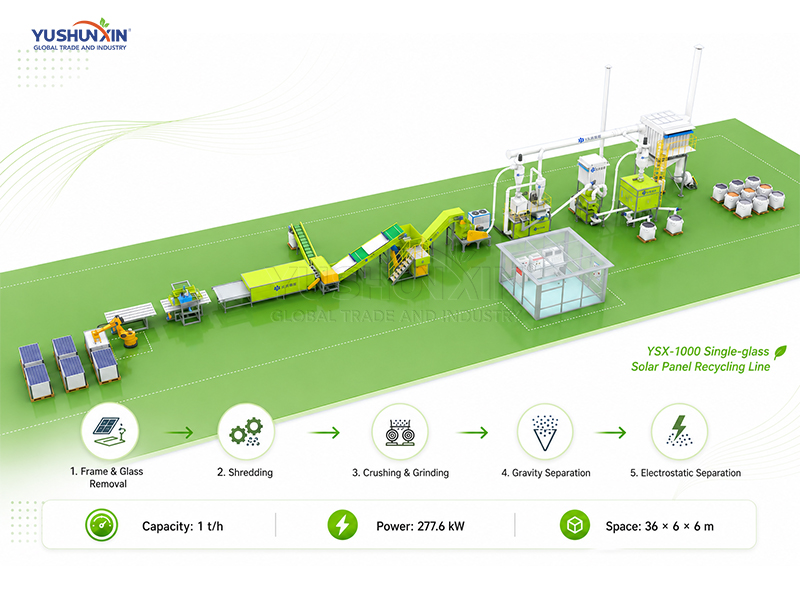
Single-glass modules usually suit mechanical glass removal. Primo, la linea removes aluminum frames and glass. Poi, triturazione, crushing and grinding reduce the remaining material. Dopo di che, separazione per gravità recovers copper-rich materials. Nel frattempo, separazione elettrostatica separates silicon powder and plastic powder. For this line, Yushunxin can configure the YSX-1000 single-glass solar panel recycling line. It handles about 1 t/h. Anche, the total power is about 277.6 kW. The required space is about 36×6×6 m. Perciò, it suits projects with stable single-glass module supply.
Double-glass Modules Need Thermal Delamination
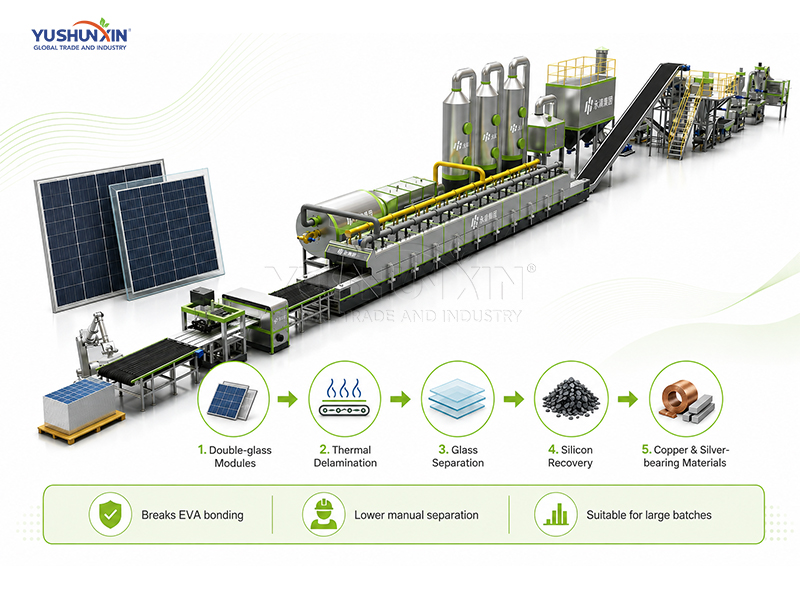
Double-glass modules hold cells between two glass layers. Perciò, simple glass removal cannot solve the bonding problem. In questo caso, thermal delamination or pyrolysis becomes more suitable. The process can break the EVA bonding layer first. Poi, the system separates glass, silicio, copper and silver-bearing materials. Inoltre, this route works better for large batches with double-glass modules. It also reduces manual separation pressure.
Mixed PV Waste Needs A Flexible Feeding Solution
Large solar farms often generate mixed retired modules. Some panels remain complete. Tuttavia, some panels arrive broken, dirty or moisture-contaminated. Perciò, the line should handle complete panels, damaged panels and mixed glass structures. A flexible solution can combine frame removal, alimentazione controllata, pyrolysis and back-end separation. Anche, the system can add dust control and flue gas treatment. Di conseguenza, the project can process real decommissioning waste, not only standard clean samples.
How Can A PV Decommissioning Project Choose A Complete Recovery Plant?
03 · Progetto
Large solar asset recycling needs a plant-based solution, not a single machine. Perciò, your project should first classify module types, glass condition and recovery targets. Poi, Yushunxin can match mechanical recycling, pyrolysis delamination and optional silver extraction. This route helps your project control disposal risk, improve recovered material value and prepare for industrial-scale operation.
Mechanical Separation Works
For Clean Single-glass PV Modules
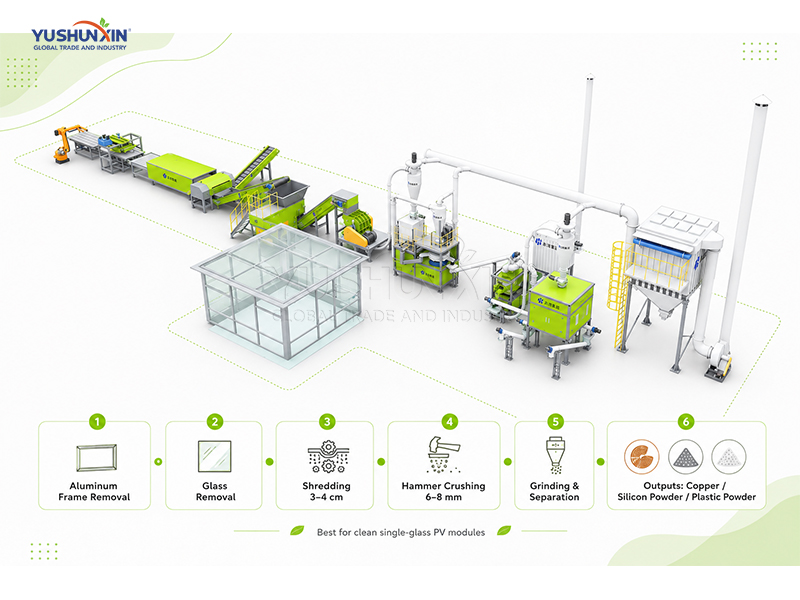
Riciclo meccanico del fotovoltaico suits projects with a high share of single-glass panels. Anche, it works better when most modules remain complete. The process can start with aluminum frame removal. Poi, IL macchina per la rimozione del vetro separates front glass. Dopo di che, the shredder crushes panels into 3–4 cm pieces. Inoltre, the hammer crusher reduces materials to 6–8 mm. Finalmente, grinding and separation units recover copper, polvere di silicio e polvere di plastica. This route can support customers who value glass recovery. Perciò, it fits utility-scale projects with cleaner, more uniform module streams.
Pyrolysis Solves Mixed
Module Recycling
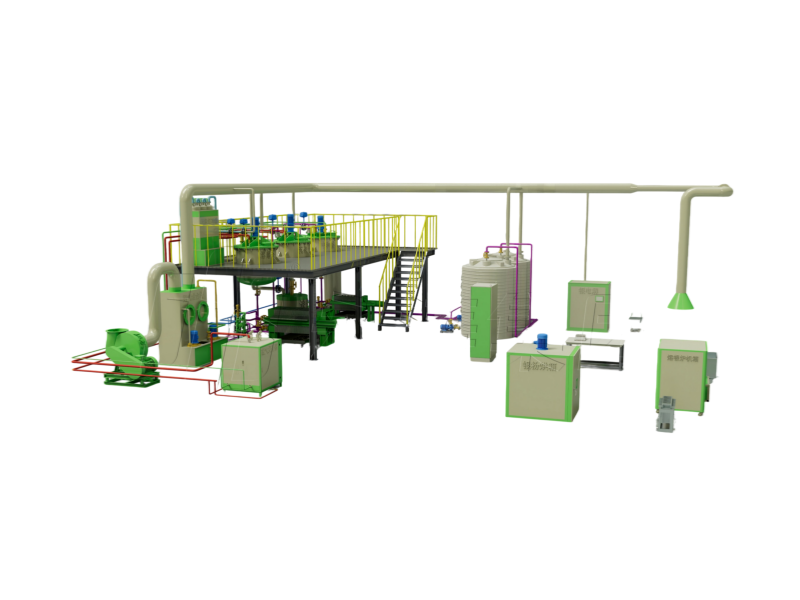
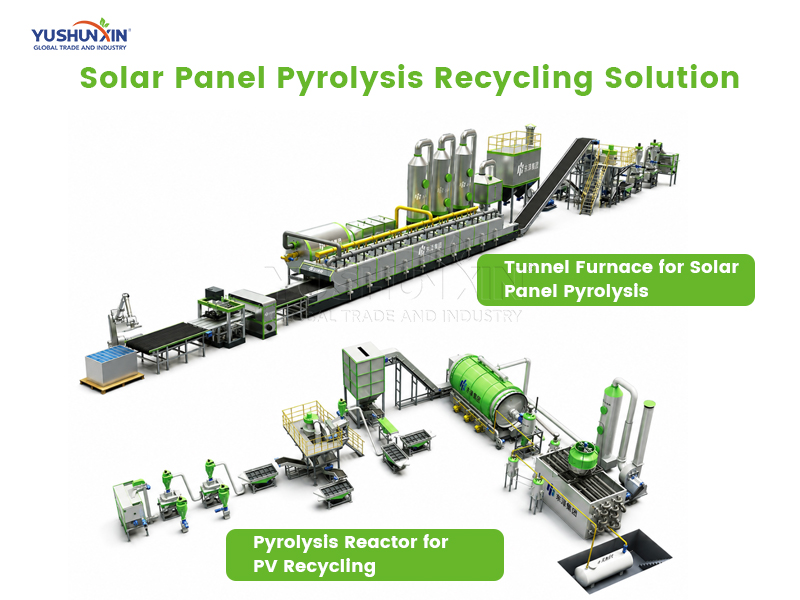
Mixed PV waste often includes single-glass panels, double-glass panels and broken modules. Perciò, mechanical separation alone may not handle every batch efficiently. PV pyrolysis system can remove EVA bonding through controlled heating. Poi, bicchiere, silicio, copper and silver-bearing materials can enter downstream separation. This route suits projects with a high double-glass ratio or difficult EVA separation. Yushunxin can configure YSX-8000 and YSX-16000 for mixed PV recycling. The YSX-8000 handles 8 t/d. Nel frattempo, the YSX-16000 handles 16 t/d. Perciò, investors can choose capacity according to daily waste volume and project phase.
Silver Recovery Can Upgrade
The Final Value Chain
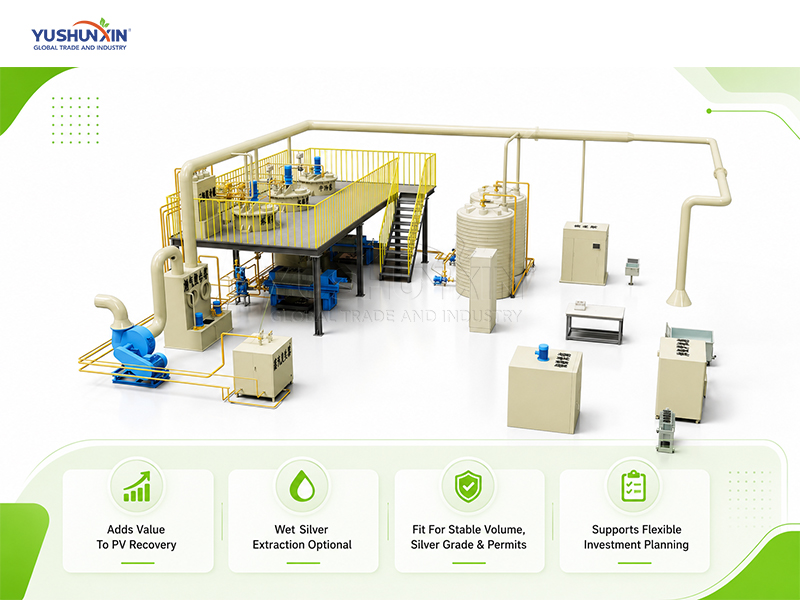
Silver does not occupy the largest weight in PV modules. Tuttavia, it can become an important profit point. After pyrolysis or physical separation, silver-bearing cell materials can enter a wet silver extraction line. Poi, acid washing, filtrazione, replacement and refining can recover higher-value silver products. Tuttavia, silver extraction should not become a default option for every project. Invece, you should choose it when material volume, silver content and environmental conditions support deeper recovery. This makes the whole PV decommissioning project more flexible and investment-focused.
What Process Modules Turn Retired PV Panels Into Reusable Materials?
04 · ProcessoA complete PV recycling solution should follow the material route. Primo, modules enter receiving and dismantling. Poi, thermal or mechanical treatment opens the laminated structure. Prossimo, separation systems recover glass, silicon and metals. Finalmente, optional silver refining can improve high-value recovery for industrial solar assets.
Dismantling Prepare Cleaner Feedstock
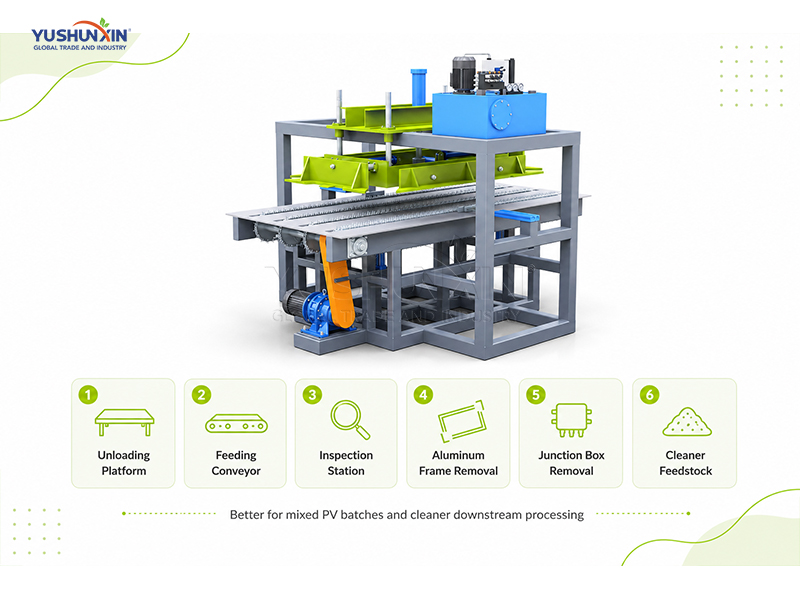
The receiving area should include an unloading platform, feeding conveyor and inspection station. Perciò, operators can check broken panels, mixed batches and foreign materials first. Poi, the aluminum frame removal machine separates the frame before deep processing. This step reduces metal interference and improves later material classification. Inoltre, the junction box removal unit removes cables and plastic parts early. Di conseguenza, the downstream crushing and separation system handles cleaner feedstock. A manual recheck position also matters in utility-scale projects. Because, large PV batches often include damaged panels, mixed sizes and site debris.
Get a Quote!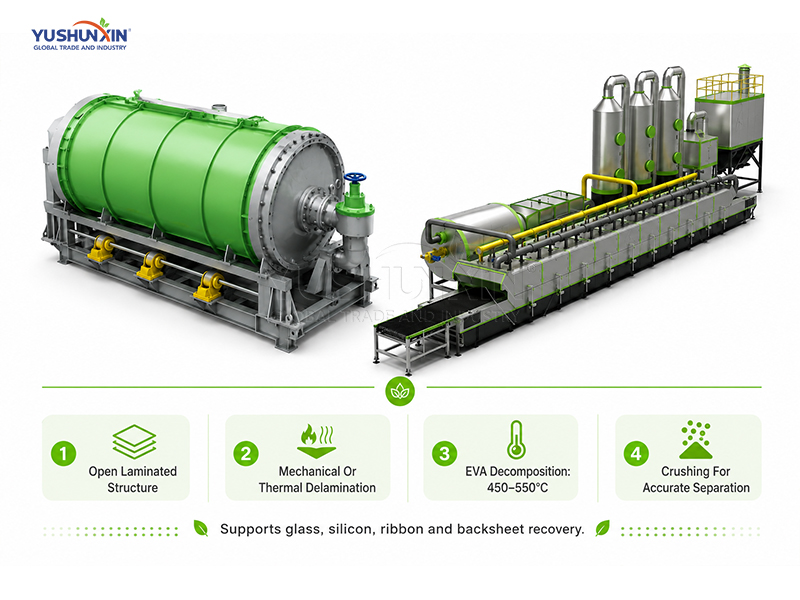
Pyrolysis Opening And Size Reduction Release Encapsulated Layers
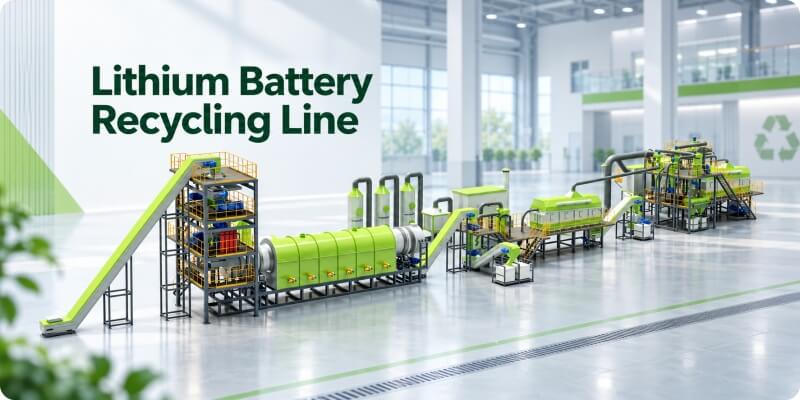
PV modules contain glass, EVA or POE, cellule, ribbon and backsheet layers. Perciò, the line must open the laminated structure before fine recovery. For single-glass panels, mechanical glass removal and crushing can work efficiently. For mixed or double-glass panels, thermal delamination offers stronger adaptability. A tunnel furnace and rotary pyrolysis reactor can remove EVA bonding. Usually, the main thermal section controls EVA decomposition around 450–550°C. Nel frattempo, the system should collect pyrolysis gas and treat exhaust continuously. This helps control odor, organic gas and backsheet-related emissions. After pyrolysis treatment, crushers and mills reduce material size. Poi, the separation section can recover each material stream more accurately.
Get a Quote!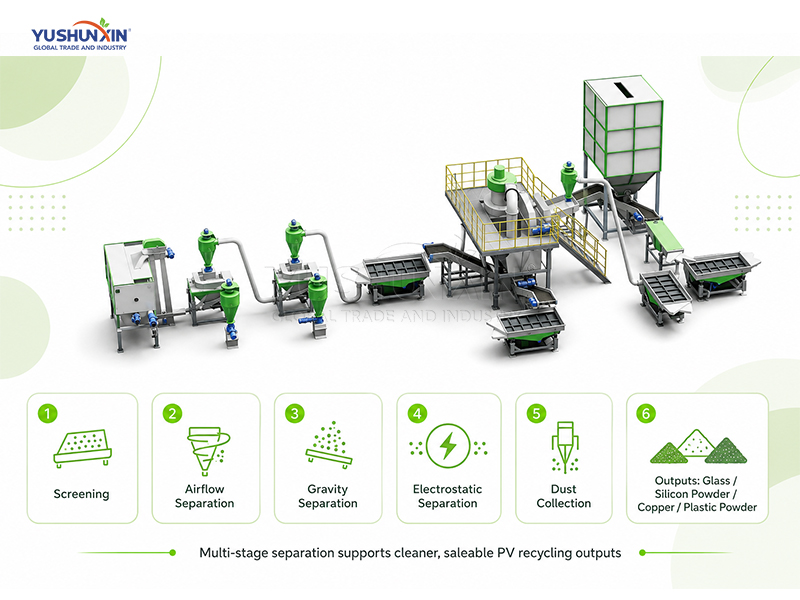
Multi-stage Separation Builds Saleable Output Streams
The separation system should not rely on one machine. Invece, it should combine screening, separazione del flusso d'aria, separazione per gravità e separazione elettrostatica. Vibrating screens classify glass, silicon pieces and fine mixed powder. Poi, airflow separation removes light plastic and carbonized residues. Gravity separation helps recover copper ribbon and heavier metal fractions. Nel frattempo, la separazione elettrostatica separa la polvere di silicio dalla polvere di plastica. Dust collection should follow each crushing and screening point. Because, PV recycling plants must keep workshops clean and support environmental approval. Finalmente, the plant can produce glass, polvere di silicio, rame, aluminum frames and plastic powder. In high-value projects, the line can also generate silver-rich material for refining.
Get a Quote!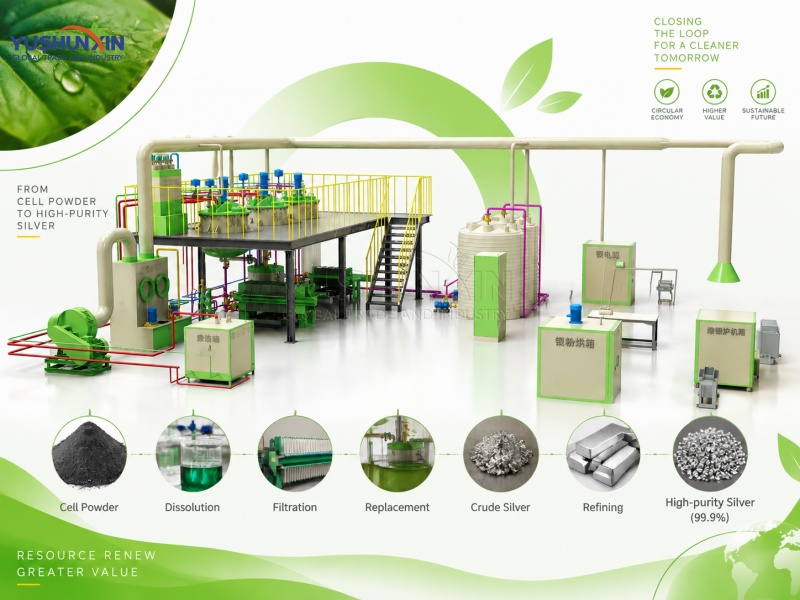
Silver Refining Extends The Recovery Value
Silver recovery can work as a second-stage process. Perciò, customers can add it when silver-rich cell powder supports the investment. The silver extraction section can include dissolution reactors, filter presses and replacement tanks. Poi, crude silver enters refining equipment for higher purity output. Waste gas treatment and wastewater neutralization should also enter the design. Because, chemical recovery brings stricter environmental control than physical separation. In a complete configuration, the line can add electrolysis refining equipment. This process can support high-purity silver output, up to about 99.9% under proper conditions. Perciò, Yushunxin can configure the PV recycling line by project target. The solution can focus on bulk material recovery, or extend to silver refining.
Get a Quote!How Can Permit-ready PV Recycling Systems Reduce Project Risk?
05 · Rischio
Utility-scale PV recycling projects must pass technical, environmental and safety reviews before operation. Perciò, buyers should check the compliance package together with the equipment proposal. A complete solution should include certification files, process drawings, electrical safety design, emission treatment and thermal protection systems. This helps project owners reduce approval risk before investment.
Approval Files Should Support Industrial Project Review
For high-value solar asset projects, documentation affects approval speed. Perciò, the supplier should provide CE-related files, machinery safety documents, electrical control documents and equipment technical files. Yushunxin can support project review with process flow diagrams, plant layout drawings, electrical configuration plans and equipment lists. Inoltre, its solar panel and e-waste recycling equipment covers Machinery Directive and EMC Directive requirements. The related standards include EN ISO 12100:2010 and EN 60204-1:2018. These documents help EPC contractors, recyclers and asset owners prepare local permit applications. Anche, they help investors review equipment safety before contract signing.
Dust And Flue Gas Control Should Work As One Treatment System
PV recycling does not only create solid products. It also creates dust, hot gas and organic exhaust. Perciò, the emission system should match the selected process route. For mechanical recycling, the line should control glass dust, silicon powder and fine metal particles. It can use sealed conveyors, pulse dust collectors and local suction points. For pyrolysis delamination, the system should also handle pyrolysis gas and flue gas. Single-glass modules may contain organic backsheet materials. Perciò, the exhaust system should consider acidic gas and fluorine-containing gas risks. A project-level solution can include cyclone dust removal, combustion chamber, quench tower, spray tower, demister, activated carbon adsorption and stack discharge. This layout supports cleaner workshop operation and easier environmental review.
Pyrolysis Safety Should Control Gas, Flame And Pressure
PV pyrolysis equipment needs active safety control during heating and gas recovery. Perciò, the system should monitor temperature, livello di ossigeno, pressione e flusso di gas. A micro-negative pressure design helps prevent gas leakage. Nel frattempo, oxygen monitoring can reduce combustion risk inside the reactor. Temperature sensors help control the delamination stage and avoid overheating. For gas safety, the solution can add water seals, flame arresters and anti-backfire devices. Anche, emergency venting and pressure control should protect the reactor and gas pipeline. This safety logic gives industrial buyers a clearer evaluation basis. Instead of only saying “safe and reliable,” the proposal should show how each risk gets controlled.
What Project Data Builds A Practical PV Recycling Investment Plan?
06 · Date
Prima della citazione, you should confirm capacity, material outlets, plant conditions and engineering scope. Perciò, ROI planning should start with real project data. Yushunxin can match equipment capacity, disposizione, utilities and recovery targets around your decommissioning schedule.
Capacity Defines The Recycling Scale
Daily feedstock volume determines equipment selection and project scale. Stable supply helps avoid idle capacity and supports long-term operation planning.
Products Define The Revenue Route
Bicchiere, alluminio, rame, silicio, and silver-rich materials need clear sales channels. Product targets decide whether the project needs basic recovery or deeper separation.
Utilities Affect The Real Investment
Land, energia, carburante, acqua, and emission systems influence total project cost. Site conditions should be checked early to match equipment layout and operation needs.
Engineering Support Improves Project Accuracy
A complete solution should include process design, elenco attrezzature, disposizione, and commissioning support. Real material data helps Yushunxin recommend the right recycling route.
Riepilogo
Utility-scale PV decommissioning needs a complete recycling solution, not simple module disposal. Perciò, Yushunxin can help you plan the project from asset removal, module classification and process selection to equipment layout, emission treatment and ROI evaluation. For clean single-glass panels, we can configure mechanical recycling lines. For mixed single-glass and double-glass modules, we can provide pyrolysis delamination solutions. Inoltre, we can add silver extraction and refining systems when your project needs higher-value recovery. With your module type, volume annuo, site size and local compliance requirements, Yushunxin can design a practical PV recycling solution for your industrial solar assets.
Dalle tue esigenze
all'impatto reale


