












Industrial solar panel recycling projects are facing avoidable delays before equipment delivery. Many buildings still follow single-machine dimensions instead of the complete process route. However, mechanical and pyrolysis lines require different material paths, utilities, foundations, and installation access. Therefore, buyers must finalize plant flow before civil construction begins. This article reviews material movement, site interfaces, and delivery sequencing to reduce redesign, installation delays, and commissioning risk.
How Can PV Recycling Process Flow Define the Plant Footprint?
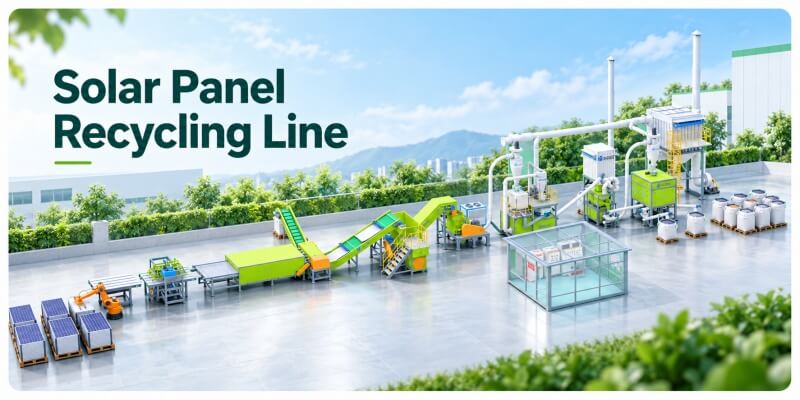
A plant layout should follow material movement, not machine dimensions. Feedstock type determines the process route, buffer space, product exits, and maintenance access. Therefore, engineers should confirm the full flow before civil construction starts.
Arrange Product Exits by Material Value
Glass, aluminum, copper, silicon powder, and residues need separate collection areas. Silicon powder requires enclosed packaging. Meanwhile, glass needs an independent loading route. Silver-rich materials also need weighing and secure storage. Therefore, product exits should connect directly with storage and transport areas.
Separate Production and Traffic Routes
Incoming panels should not pass through finished-product zones. Forklifts should also avoid operator platforms and powder-packaging areas. Maintenance access must reach furnaces, crushers, and dust collectors. Clear routes reduce congestion, contamination, and later building changes.
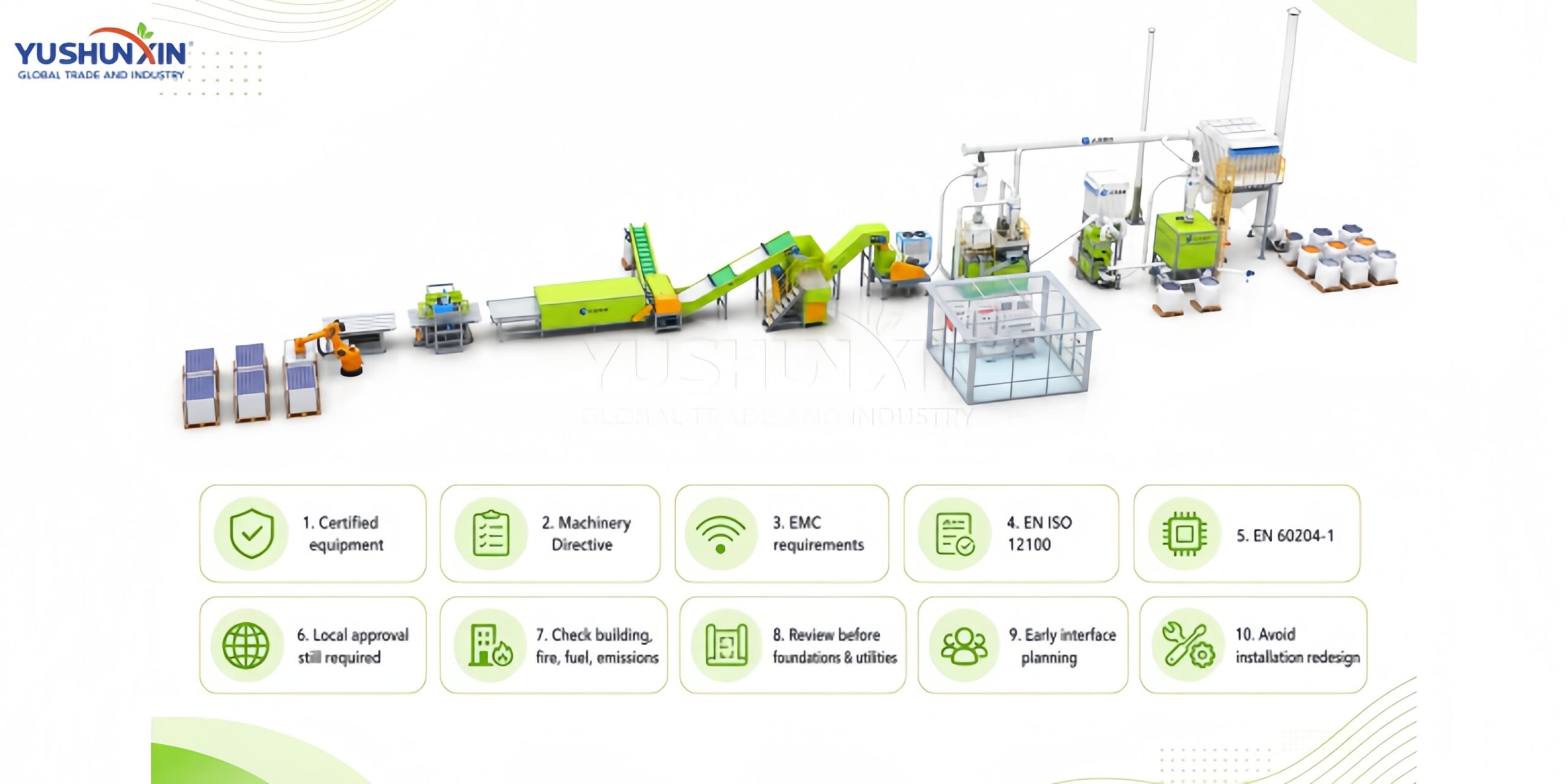
Match the Layout to the Processing Route
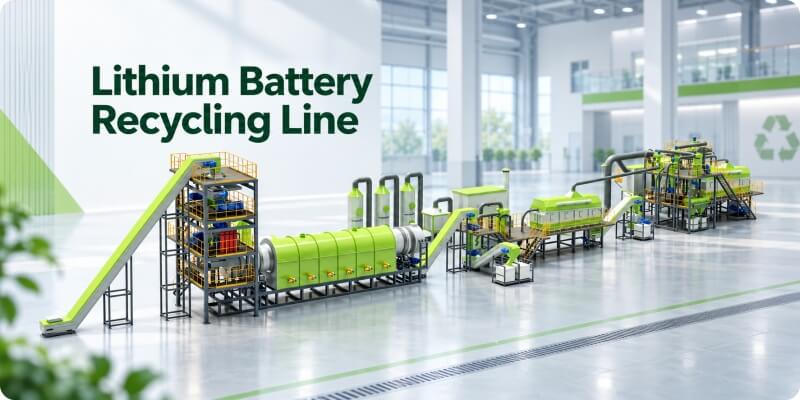
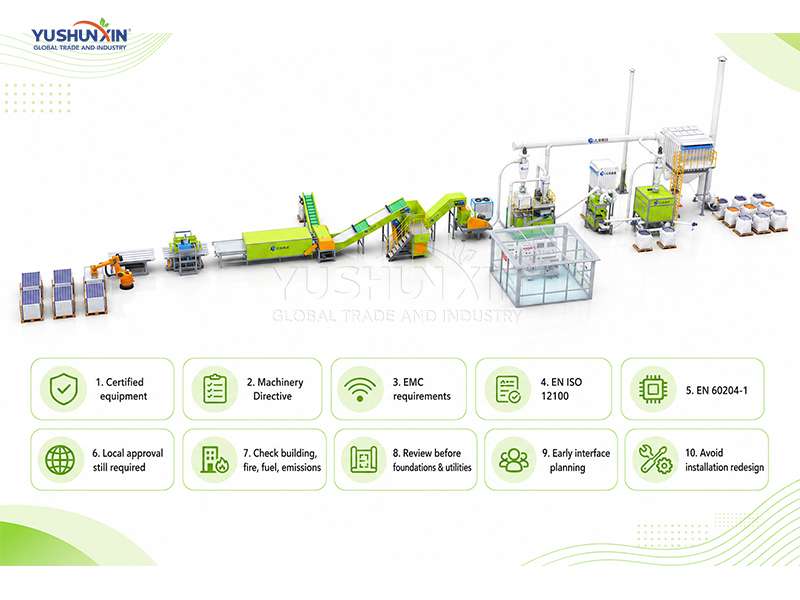
Single-glass modules usually enter mechanical separation. The line connects frame removal, glass removal, crushing, milling, and material separation. A 1 t/h mechanical line may require about 36 × 6 × 6 metres. However, mixed-panel pyrolysis needs wider safety and environmental zones. An 8 t/d pyrolysis line may require about 50 × 30 × 8 metres. A 16 t/d line may reach 60 × 30 × 8 metres.
Get your Solution!| Route | Main Space Requirements |
| Mechanical recycling | Complete-panel feeding, crushing, dust collection, and product separation |
| Pyrolysis recycling | Thermal treatment, cooling, gas handling, emission control, and screening |
How Can Early Interface Planning Protect the Installation Schedule of PV Recycling Plant?
Installation delays often begin with missing site connections, not missing machines. Power, cooling, exhaust, foundations, and access must follow the chosen process. Therefore, buyers should freeze these interfaces before final manufacturing drawings.
Match Utility Routes
Before Civil Drawings
Utility Routes should match plant type and equipment loads. Mechanical and pyrolysis lines require different power, fuel, gas, cooling and safety interfaces.
Give Environmental Equipment
A Dedicated Zone
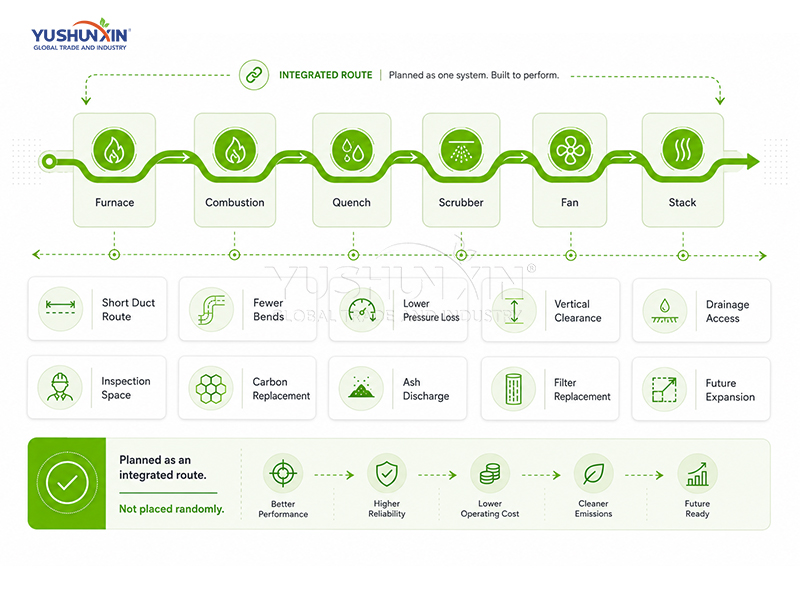
Environmental Equipment needs planned space for gas flow, maintenance and expansion. Proper duct routes and clearance improve treatment efficiency and operation safety.
Separate Equipment Compliance
From Site Approval
Equipment Compliance supports technical review, but Site Approval also requires local rules for buildings, emissions, fire safety and operation conditions.
Reserve Maintenance Space
As Capacity Support
Maintenance Space reduces downtime through proper access for motors, conveyors, furnaces, scrubbers and dust collectors. Layouts should consider service areas, not only machine footprints.
How Should Shipment Planning Shape an Installation-Ready Plant?
Equipment delivery should shape the building before contractors pour foundations. Industrial lines arrive in several loads, not one shipment. Each load needs unloading space, lifting access, and protected staging. Therefore, the layout must follow the delivery route and installation sequence.
Create Continuous Route From Gate To Foundation
Site Gate planning should confirm width, turning radius, height and lifting access. A clear route prevents equipment delivery problems before Foundation installation.
Install Process Backbone Before Secondary Systems
Divide Site Into Controlled Staging Zones
Reserve Expansion Interfaces Beside Main Line
Close Site Interfaces Before Shipment
Connect Installation Planning With Commissioning
Solar panel recycling plant layout planning should begin with the process route, not the equipment footprint. Material flow determines the building structure and product exits. Utility interfaces then connect the equipment with local infrastructure. Finally, delivery planning protects installation and commissioning schedules. These decisions should be confirmed before civil construction and equipment shipment.
”
From Your Needs
to Real Impact


