
















As renewable energy storage expands, retired ESS batteries are becoming a serious asset management issue. Solar farms, wind projects and grid storage operators now need safer, traceable and higher-value disposal routes. Poor handling can create fire risk, compliance gaps and material loss. This article focuses on how industrial ESS owners plan battery waste compliance, from site removal and risk isolation to recycling line configuration, black mass recovery and long-term project value.
How Can ESS Owners Build A Decommissioning Plant Before Battery Removal?
01 · Decommissioning PlantBattery storage is expanding quickly, so retired ESS batteries now create a new project risk. For solar farms, wind-storage projects, grid operators and C&I storage owners, compliance should start before removal. A clear route helps control fire risk, ownership responsibility, recycling cost and material recovery value. Therefore, buyers need a disposal plan before the first rack leaves the site.
Asset Data Defines Recycling Planning
Battery model, chemistry, SOH, and fault records help define safe handling routes. Complete asset data reduces responsibility risks and improves project planning.
Battery Condition Determines Processing Route
Different chemistries and conditions require different solutions. Normal batteries follow standard processing, while damaged batteries need isolation and special treatment.
Early Planning Reduces Project Risk
A complete plan should connect removal, storage, discharge, and recycling. Early route planning helps control compliance, safety, and long-term recovery value.
How Should Different ESS Assets Match Waste Compliance Solutions?
02 · Compliance SolutionsESS waste pressure changes with asset scale, location and battery structure. Grid-scale projects may handle thousands of modules. Solar-storage sites may face battery and PV waste together. C&I storage sites stay closer to buildings and workers. Therefore, each asset needs a different compliance route. IEA expects battery storage to reach 1,200 GW by 2030 in its NZE scenario. So, retired ESS batteries will become a planned recycling stream, not a rare disposal case.
Grid-Scale BESS Projects Need Centralized Batch Handling
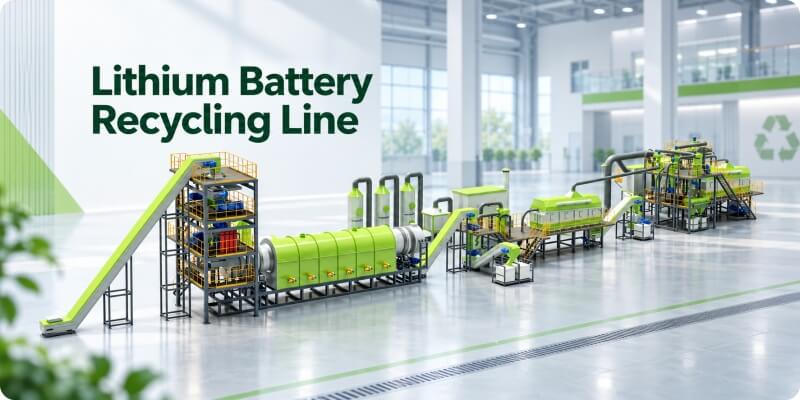
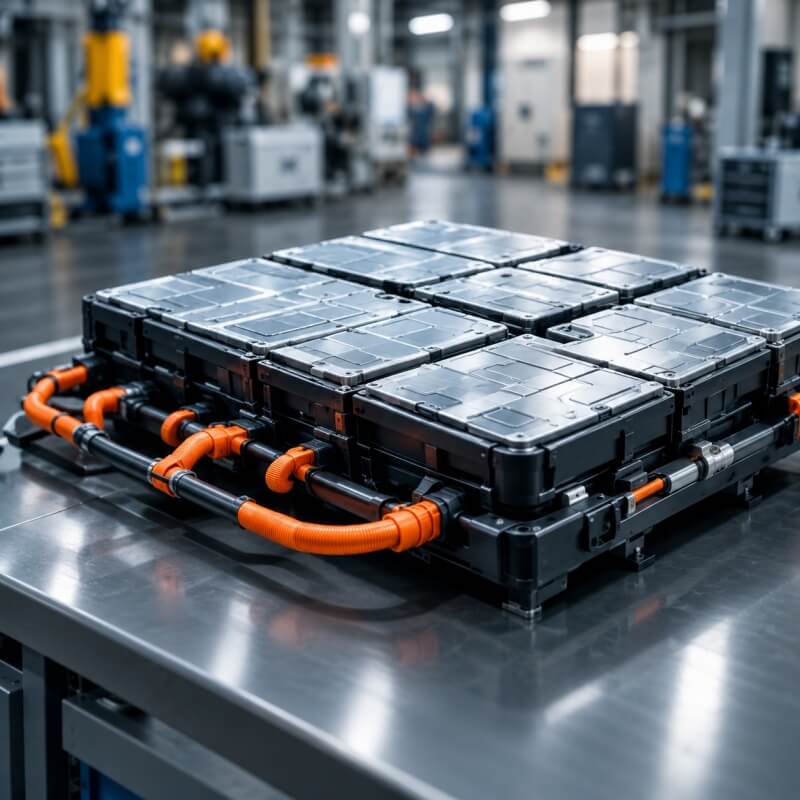
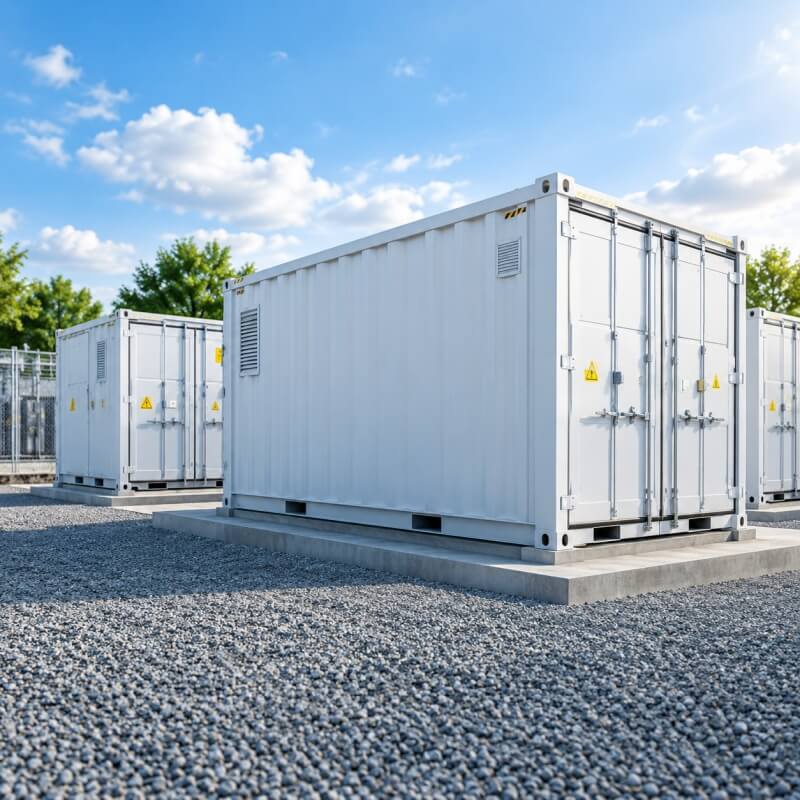
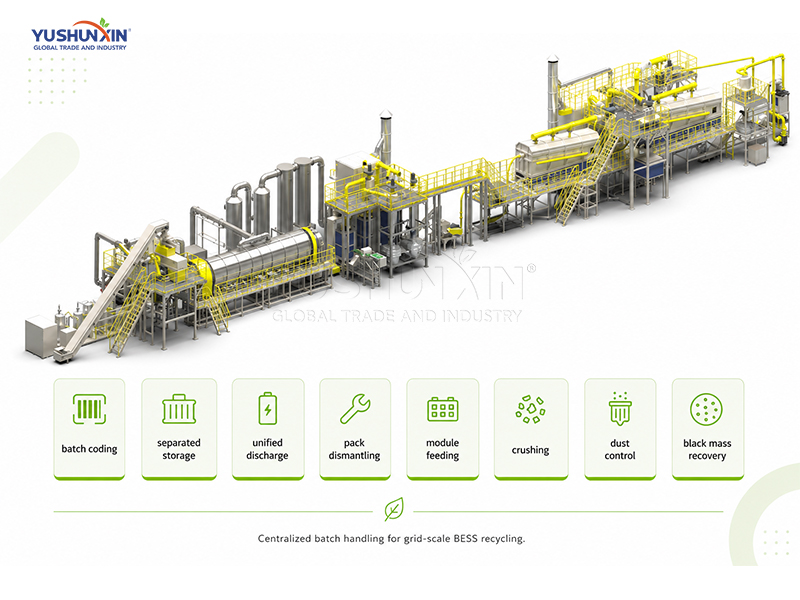
Utility-scale BESS projects often use large battery racks and containerized systems. IRENA notes that utility-scale systems can range from several MWh to hundreds of MWh. When these assets retire, operators face large volumes and mixed service records. Therefore, they need batch coding, separated storage and unified discharge. Then, the recycling plant can arrange dismantling, conveying, crushing and separation more safely. This scenario fits an automated lithium battery recycling line. The line should connect pack dismantling, module feeding, crushing, dust control and black mass recovery.
Solar-Storage Assets Need Dual Waste Coordination
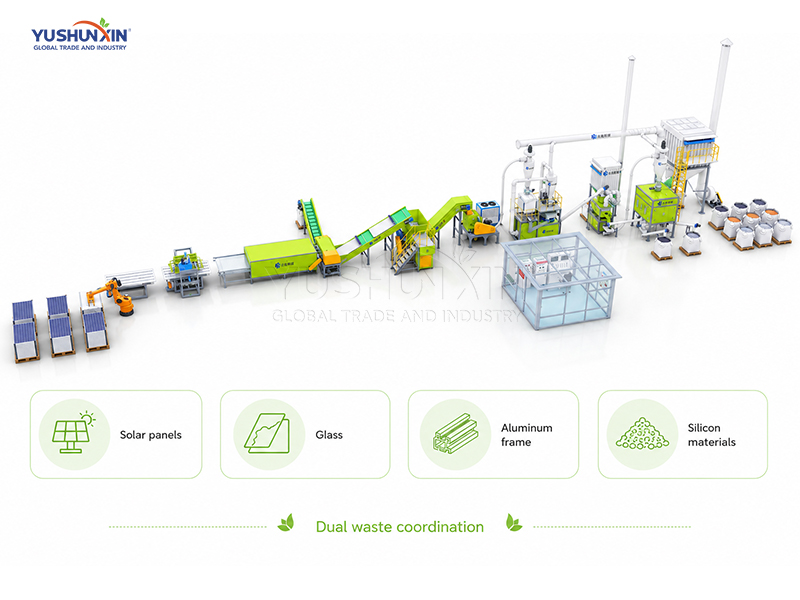
Solar-plus-storage projects do not only create battery waste. They may also create PV panel, inverter, cable and cabinet waste later. Therefore, owners should plan battery recycling and solar panel recycling together. This helps reduce repeated logistics, site disruption and supplier coordination cost. For equipment planning, the project may need two connected routes. One route handles ESS batteries. The other route handles solar panels, glass, aluminum frame and silicon materials.
C&I ESS Sites Need Safer Collection Before Transport
C&I storage sites serve factories, data centers, charging stations and industrial parks. Their battery volume may be smaller. However, their location creates higher safety pressure. These batteries often sit near buildings, workers and production lines. Therefore, operators need front-end inspection, risk isolation and documented handover. Before transport, the project should check voltage, appearance, leakage and thermal history. Then, qualified batteries can enter normal recycling. Abnormal batteries should enter quarantine and special handling.
How Can ESS Sites Build A Safe Handover Workflow Before Recycling?
03 · WorkflowBattery storage assets are scaling fast. IEA reported 108 GW of global battery storage additions in 2025, up around 40% from 2024. Therefore, retired ESS batteries will move from occasional disposal to planned industrial handover. Site owners must control inspection, isolation, storage and records before recycling starts. This step protects the recycling line, transport chain and asset owner.
Risk Screening Creates Sorting Routes
Battery racks, packs, and modules should be inspected before removal. Classifying normal and damaged batteries reduces transport risks and protects downstream equipment.
Zoned Storage Controls Safety Risks
Battery storage should follow risk levels with separate areas for normal, damaged, isolated, and waiting batteries. Proper zoning reduces fire and short-circuit risks.
Traceable Handover Improves Management
Complete records of battery type, weight, condition, and transport improve traceability. Better data helps design safer recycling routes and supports project audits.
How to Choose A Suitable ESS Waste Recycling Solution Before Black Mass Recovery?
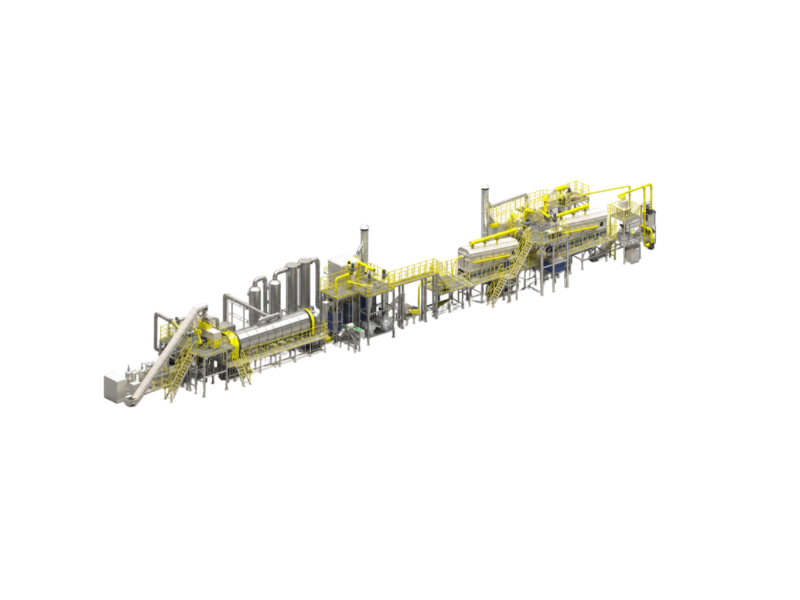
04 · Recycling SolutionA safe ESS battery recycling line should start before crushing. Large storage batteries may arrive as cabinets, racks, packs or modules. Therefore, the line needs inspection, discharge, dismantling, controlled crushing and clean separation. This route helps owners reduce fire risk and improve black mass recovery value.
Inspection And Discharge
Create The First Safety Gate
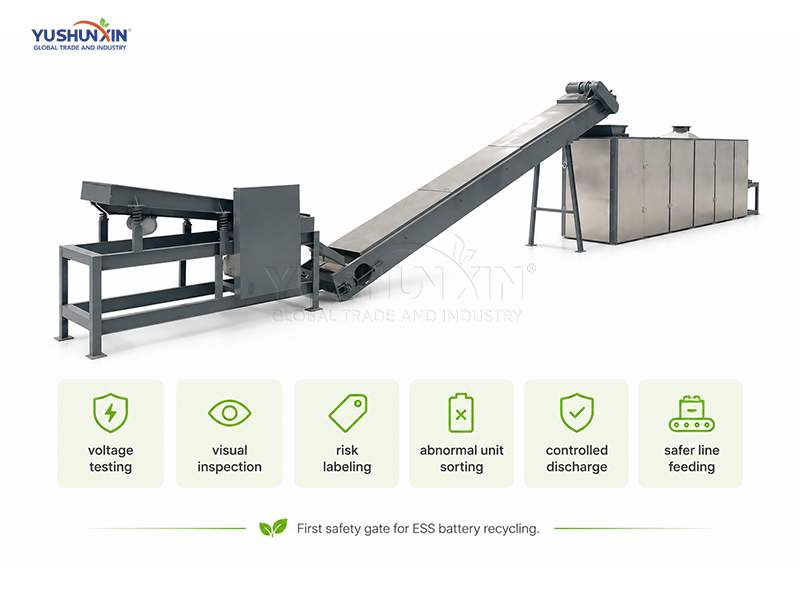
ESS batteries need inspection, risk classification, and controlled discharge before crushing. This process reduces short-circuit risks and improves feeding safety.
Module-Based Crushing Reduces
Fire And Contamination Risk
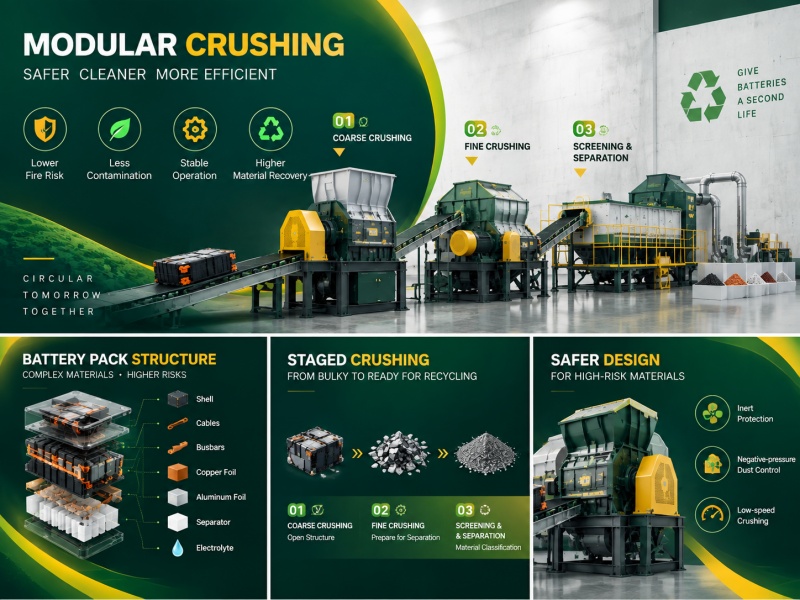
Different battery structures require suitable crushing methods. Multi-stage crushing with dust control improves material release and reduces heat, contamination, and equipment overload.
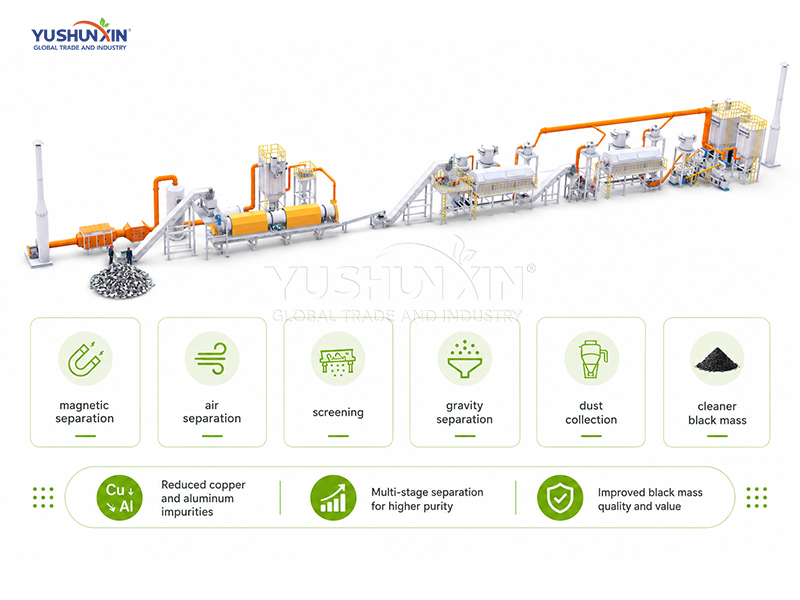
Clean Separation Builds
Black Mass Sales Value
Separation quality affects black mass value. Magnetic, air, and screening systems reduce metal impurities and improve powder purity for downstream buyers.
How Can Compliance Build A More Bankable ESS Recycling Project?
05 · ComplianceCompliance should not only appear as a disposal cost. It can also protect output, financing and resale value. Battery storage deployment reached 108 GW in 2025, up 40% from 2024. Therefore, retired ESS batteries will become a larger project asset issue. EU rules also set a 65% recycling efficiency target for lithium-based batteries by 2025. So, buyers need a recycling route that supports both compliance and ROI.
PRETREATMENT
Risk-Gated Pretreatment Protects Operation
ESS batteries need discharge, classification, isolation, and controlled feeding before crushing. This reduces fire risks, downtime, and unstable operation.
PRODUCTS
Cleaner Products Improve Market Value
A complete recycling line should produce clean black mass, copper, aluminum, and steel fractions. Better separation improves downstream sales options and product value.
DOCUMENTS
Project Documents Strengthen ROI Analysis
Industrial ESS projects need technical evidence beyond recovered materials. Process flows, layouts, emission plans, and equipment documents support approval, audits, and long-term investment decisions.
How Can Buyers Select A Compliance-Ready ESS Recycling Solution?
06 · SelectionHigh-value buyers should not compare suppliers by machine price alone. ESS battery recycling projects need safe pretreatment, stable material recovery and clear compliance documents. In Europe, lithium recovery targets will reach 50% by 2027 and 80% by 2031. Therefore, buyers should choose a supplier who can support both production and approval.
Complete Route Reduces Interface Risk
A qualified supplier should provide the full recycling route, including receiving, discharge, dismantling, crushing, separation, black mass collection, and environmental systems.
Safety Design Comes Before Capacity
DA reliable proposal should show temperature control, dust collection, fire protection, and emergency systems. Safety planning is critical before battery crushing.
Documents Support Faster Approval
A strong supplier provides process flows, layouts, electrical documents, and training support. Complete documentation helps reduce review time and project risks.
Summary
ESS battery waste compliance should connect asset responsibility, site removal, safe pretreatment, recycling equipment and material recovery value. For solar farms, wind-storage projects, grid-scale battery farms and industrial ESS owners, battery disposal should become a traceable recycling route, not a one-time waste handover. We can provide a complete ESS battery recycling solution, covering discharge, dismantling, crushing, separation, dust control, tail gas treatment and black mass recovery. We can also support related project routes, including lithium battery crushing and sorting line, LFP battery recycling plant, black mass recovery for lithium battery recycling, and solar panel recycling plant cost. These solutions help renewable energy asset owners plan safer compliance, cleaner recovery and higher long-term project value.
From Your Needs
to Real Impact


