













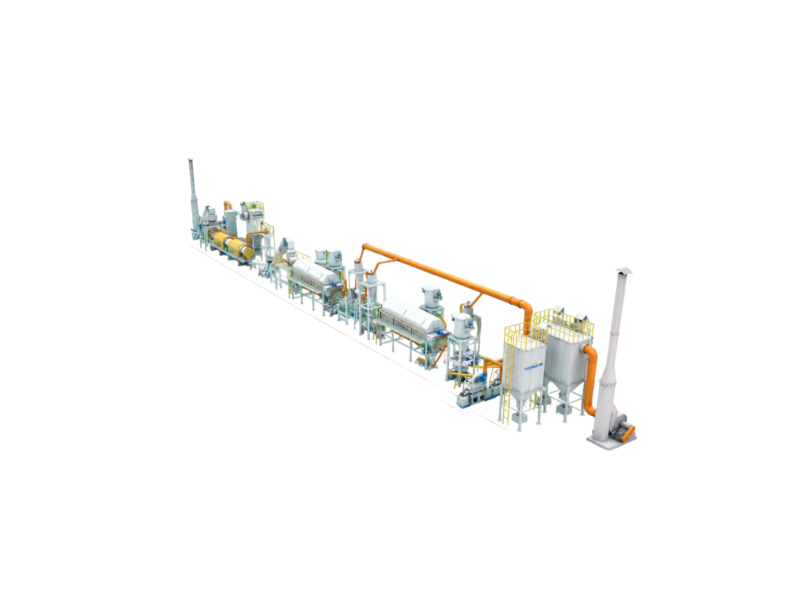


As EVs and energy storage systems grow, spent lithium batteries are becoming a valuable secondary resource. For industrial recyclers, the key is not only battery disposal, but stable black mass recovery. A practical lithium battery recycling solution should control feedstock risks, improve powder recovery, separate copper and aluminum, and support cleaner plant operation. This solution focuses on how to plan a complete black mass recovery line for large-scale recycling projects.
How Can You Build A Black Mass Recovery Solution Around Sellable Output?
01 · Solution
Before you choose a lithium battery recycling machine, you need to define what you want to sell. In most industrial projects, black mass quality decides the recovery value. Therefore, your solution should focus on purity, metal residue, moisture, particle size and stable collection from the beginning.
Define The Black Mass Target
A battery recycling line should focus on producing marketable black mass, not only processing waste. Stable purity, particle size, and low metal residue improve product acceptance and downstream sales value.
Match Process With Sales Goals
The recycling route should follow the final product plan. Black mass sales require stable separation and packaging, while future lithium, nickel, and cobalt recovery needs reserved refining space for easier upgrades.
How Can You Control Feedstock Before Black Mass Recovery Starts?
02 · FeedstockBattery quality decides black mass quality before the shredder starts. For industrial projects, you should not feed all lithium batteries into one route. You need to classify batteries by source, structure, chemistry and risk level. This helps you choose discharge, dismantling, crushing and separation depth. For a 500–1000kg/h recycling line, unstable feedstock can quickly affect powder purity and metal recovery.
Grade Battery Sources Before Crushing
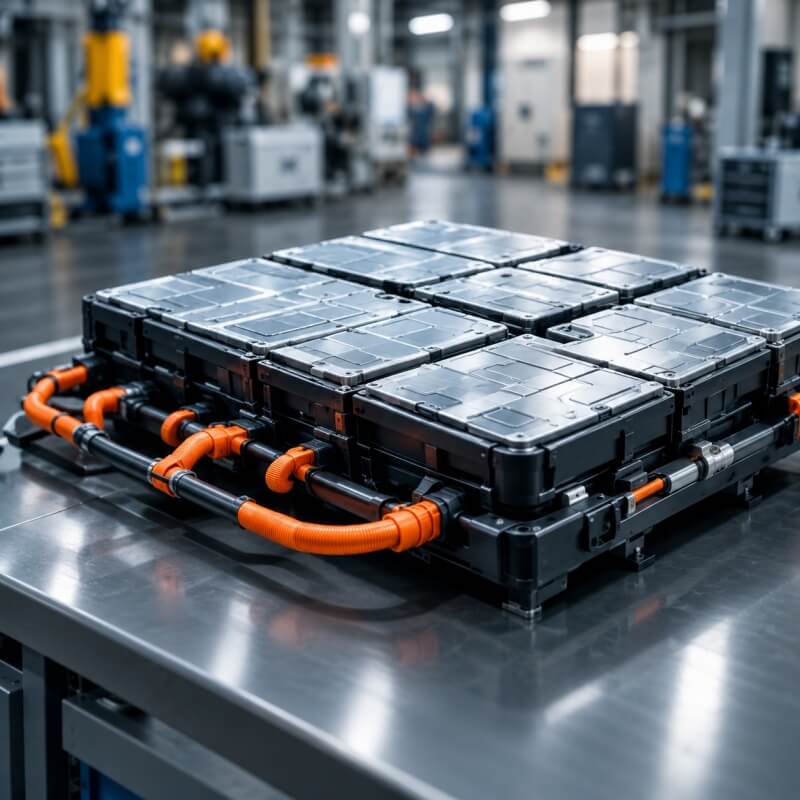
EV battery packs need module dismantling first. Their shells, busbars and cables increase crushing load. Loose lithium battery cells need discharge control and stable feeding. Production scrap usually offers cleaner material. However, it still needs dust control and material balance. Laptop batteries and mobile phone batteries contain more casing, plastic and small parts. Therefore, they need stronger sorting before crushing. LFP batteries and NCM/NCA batteries should follow clear batch control. Their black mass value and downstream recovery route are different.
Need A Feedstock Gate Before Daily Operation
A stable plant needs a feedstock gate before production. First, confirm whether the batteries still carry power. Then check whether lead-acid batteries or other chemistries enter the batch. Next, record shells, plastics, cables and electrolyte leakage. This rule helps you decide the pretreatment route. Some materials need manual dismantling. Some batches need temporary storage or fire protection zones. With this control, you reduce safety risks before crushing. At the same time, you protect black mass quality before separation starts.
How Do You Build A Safer Front-End Before Battery Shredding?
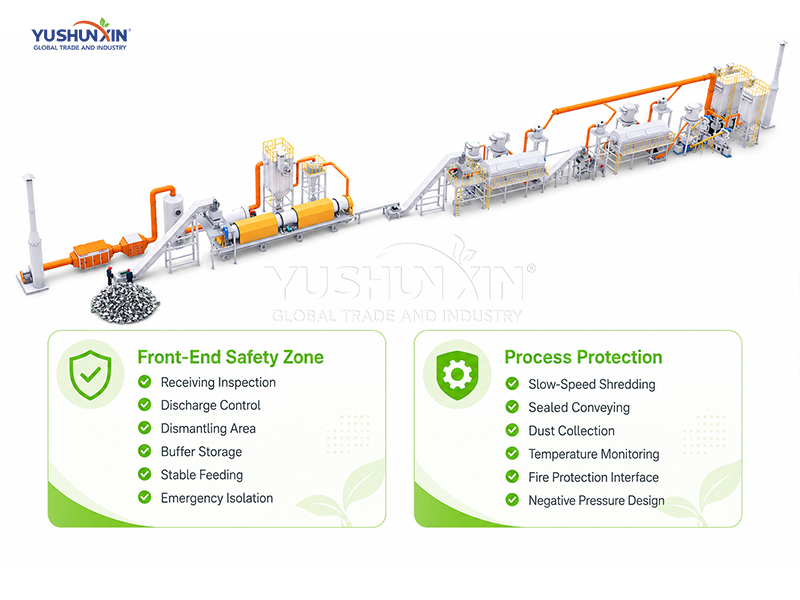
03 · BuildingYou cannot treat lithium battery recycling like normal metal crushing. Batteries may carry residual power, heat and chemical risk. So your black mass recovery solution should control risk before shredding. A safer front-end can protect workers, reduce fire risk and keep the later separation system more stable.
Receiving And Battery Inspection
Battery type, package condition, and visible damage should be checked before storage. Early inspection helps identify risky batteries and prevents unsafe materials from entering the production area.
Discharge And Safe Preparation
Battery discharge reduces residual electrical risk before further processing. For large battery packs, dismantling should remove shells, cables, modules, and unsuitable parts before entering the recycling route.
Buffer Storage And Controlled Feeding
Separated batteries should be stored in dedicated zones away from mixed materials. Stable feeding speed before shredding helps reduce blockage, impact, and abnormal heat generation.
Emergency Isolation Management
Dust And Spark Control System
Low-speed shredding, sealed conveying, and dust collection points help control sparks, heat, and powder leakage. Closed transfer improves workshop cleanliness and protects black mass quality.
Temperature And Safety Monitoring
How Do You Arrange The Process For Higher Black Mass Purity?
04 · Process
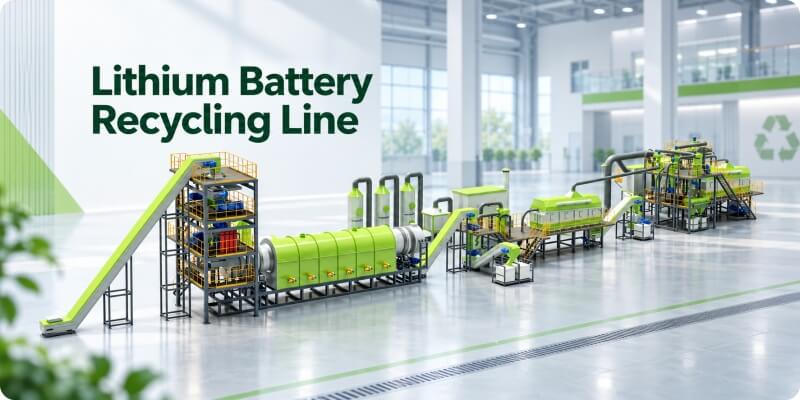
High-value black mass recovery needs a clear separation line. You should release active powder gradually, not crush everything at once. Then the line can separate copper, aluminum, steel and plastics more cleanly. For 500–1000kg/h projects, this plant helps keep output stable.
Use A Step-By-Step Separation Line
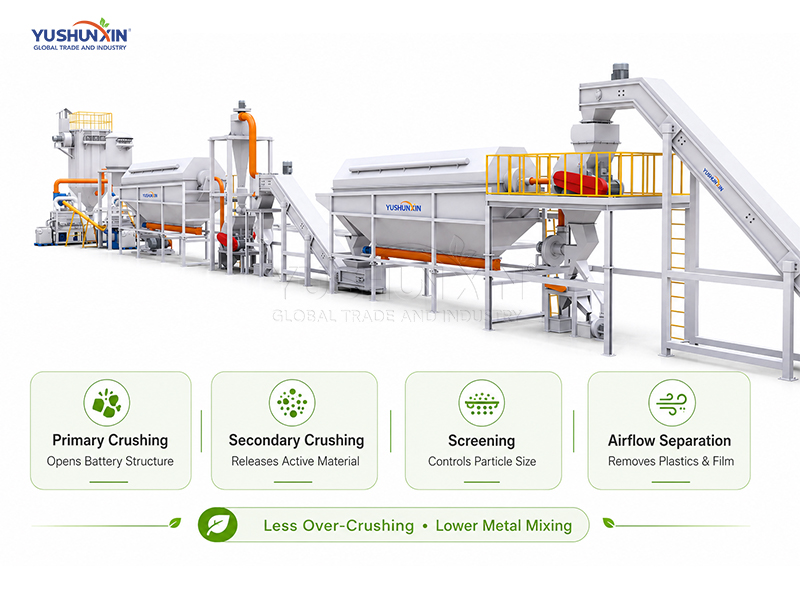
Primary crushing opens the battery structure first. Then secondary crushing releases active materials from metal foils. After that, screening keeps particle size more uniform. Finally, airflow separation removes light plastics and film residues. This route avoids over-crushing. It also reduces metal mixing inside the black powder.
Guide Each Material To The Right Outlet
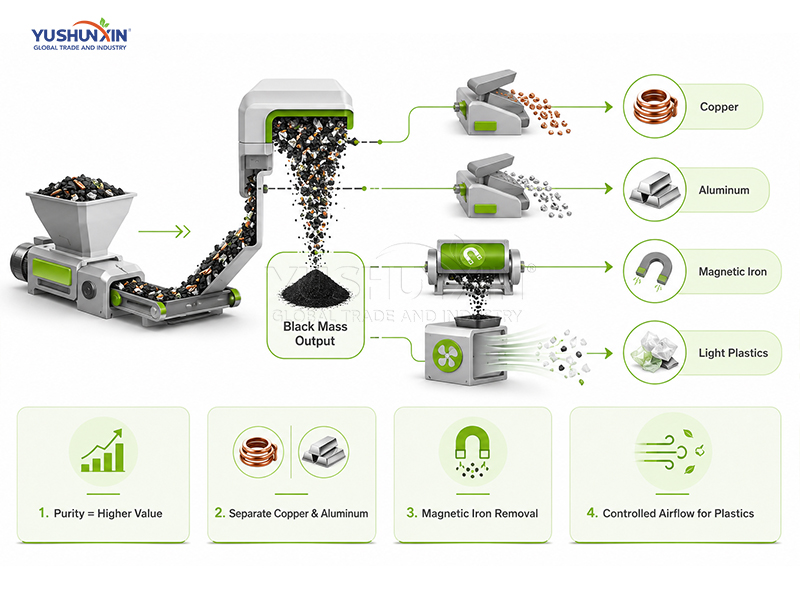
Black mass value depends on purity and consistency. So you should keep metal impurities away from fine powder. Copper and aluminum should enter separate recovery streams. Meanwhile, iron strips need magnetic separation. Light plastics need controlled airflow removal.
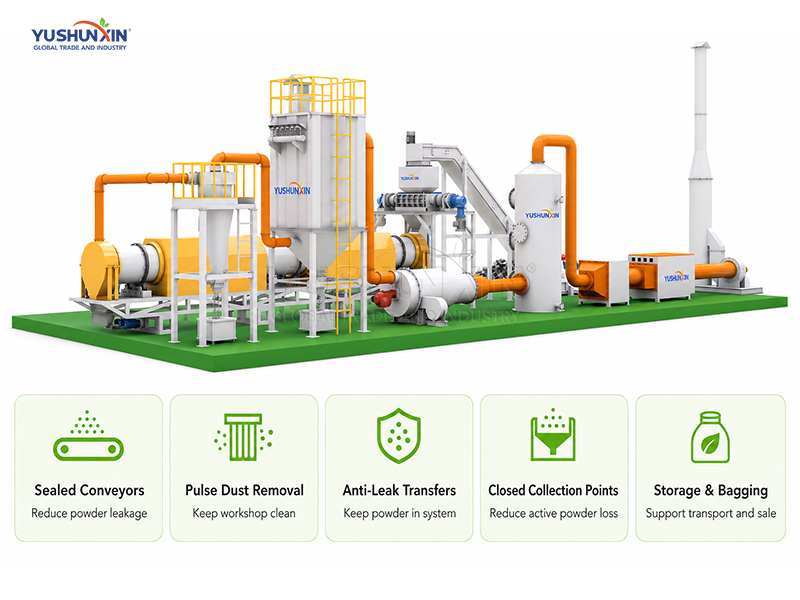
Control Powder From Separation To Packing
Black mass is a fine powder product. Therefore, powder control should start before final collection. This design protects recovery yield. It also improves the workshop environment. For industrial buyers, cleaner powder handling supports future refining. It also helps prepare black mass for stable downstream sales.
How Can You Plan A Y500–1000kg/h Black Mass Recovery Line?
05 · Planning
A 500–1000kg/h line needs project planning, not only equipment matching. You should confirm capacity, workshop space, utilities and material flow first. Then Yushunxin can match the line with your battery type and automation target.
Check Site Conditions Before Delivery
Before delivery, the factory layout should match the recycling line requirements. Power supply, compressed air, dust collection space, storage areas, fire access, maintenance aisles, and forklift routes all need to be prepared in advance. Proper site planning helps reduce installation delays and ensures stable operation after commissioning.
Reserve Expansion Interfaces From The Beginning
Industrial buyers usually plan more than one production stage. So the first layout should leave space for future upgrades. Yushunxin can reserve interfaces for larger shredding capacity. It can also reserve space for extra screening units. In addition, you can add black mass packaging later. You can also connect the line with black mass refining equipment. This approach helps you start with a practical scale. Then you can expand when feedstock supply becomes stable.
Set A Clear Capacity Boundary
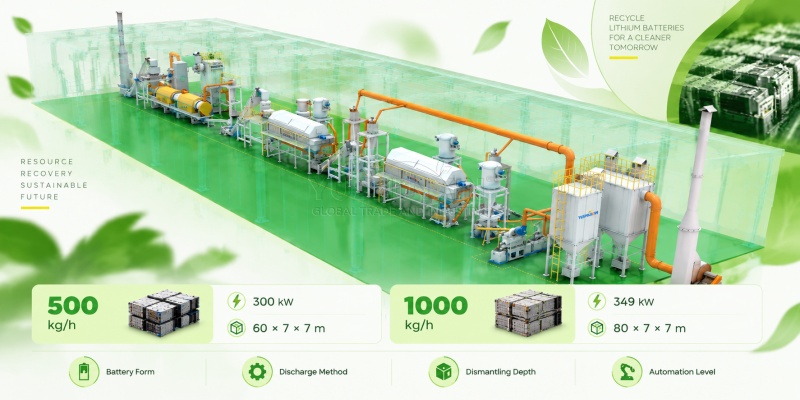
A 500kg/h line suits pilot-to-commercial lithium battery recycling projects. It needs about 300kW power and 60m × 7m × 7m space. A 1000kg/h line suits stable industrial feedstock supply. It needs about 349kW power and 80m × 7m × 7m space. However, your final layout still depends on battery form. It also depends on discharge method, dismantling depth and automation level.
Get your Solution!How Do You Obtain A Black Mass Recovery Solution?
06 · ObtainBuying separate machines may create gaps between crushing, separation and powder collection. So your solution should start from project data. Then Yushunxin can match the process route, capacity, layout and service plan around your black mass target.
Define Project Data
Before Design
A recycling project should start with real data, including battery type, capacity, product target, workshop conditions, automation level, and environmental requirements. This helps avoid unsuitable configurations and improves project planning.
Build A Complete
Recovery Process
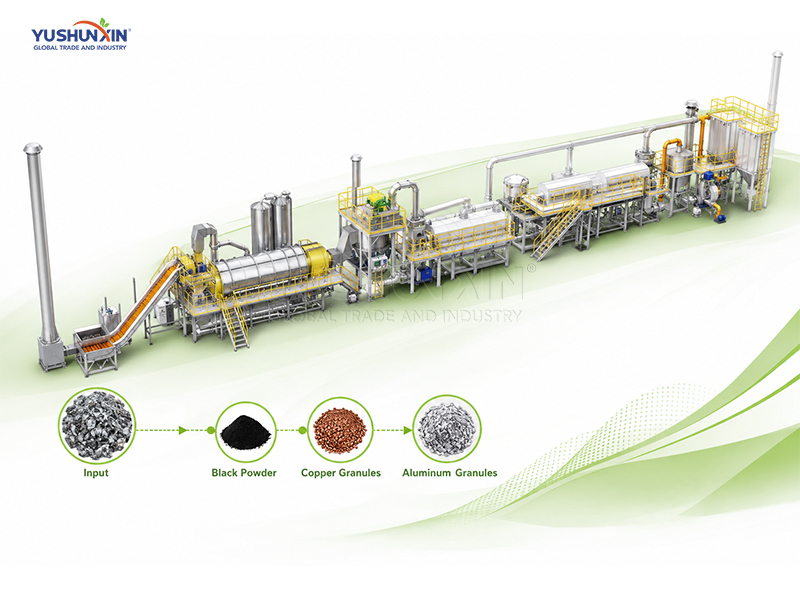
A black mass recovery line needs connected processes, not separate machines. Feeding, crushing, screening, separation, and dust collection should work together to improve recovery efficiency and reduce material loss.
Support The Full
Project Cycle
Yushunxin provides support from design and manufacturing to installation, commissioning, and training. This reduces communication gaps and helps operators run the recycling line with clear standards.
Reserve Future
Upgrade Options
A well-planned recycling line should support future expansion. Customers can reserve space for refining, larger capacity, and related recycling solutions based on future business needs.
Summary
A successful lithium battery recycling project should focus on stable black mass recovery, not only machine selection. The solution needs clear feedstock control, safe pretreatment, staged crushing, metal separation and dust management. With the right layout and capacity plan, Yushunxin can configure 500kg/h or 1000kg/h recycling lines for industrial projects.
From Your Needs
to Real Impact


