





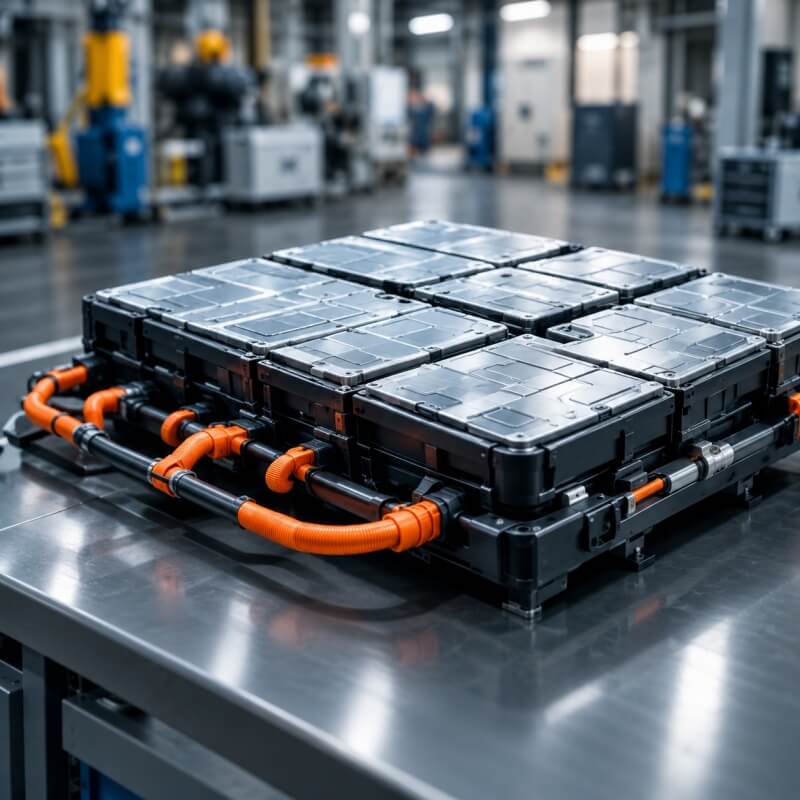

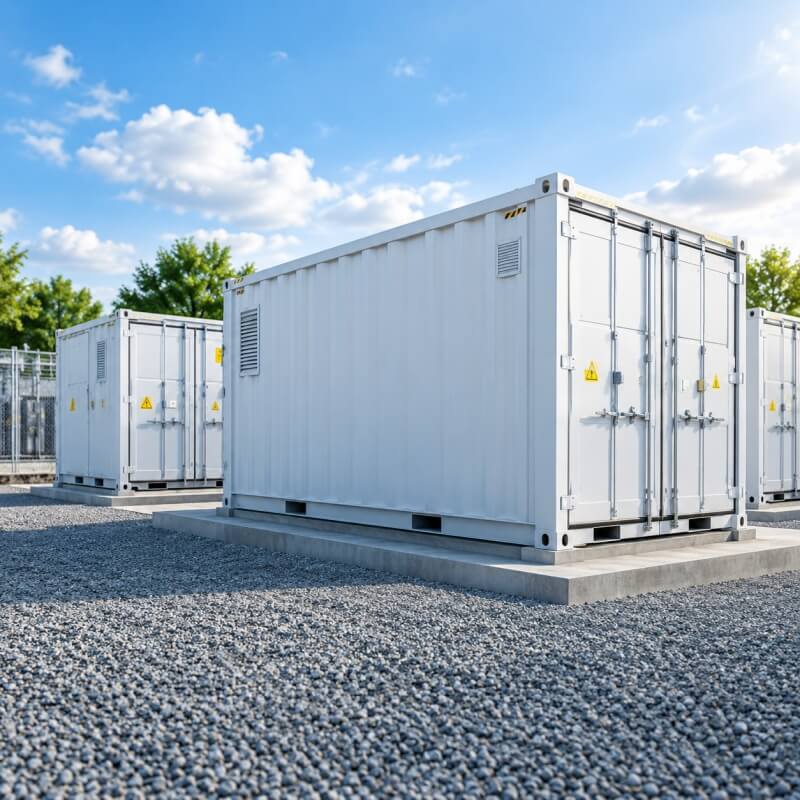





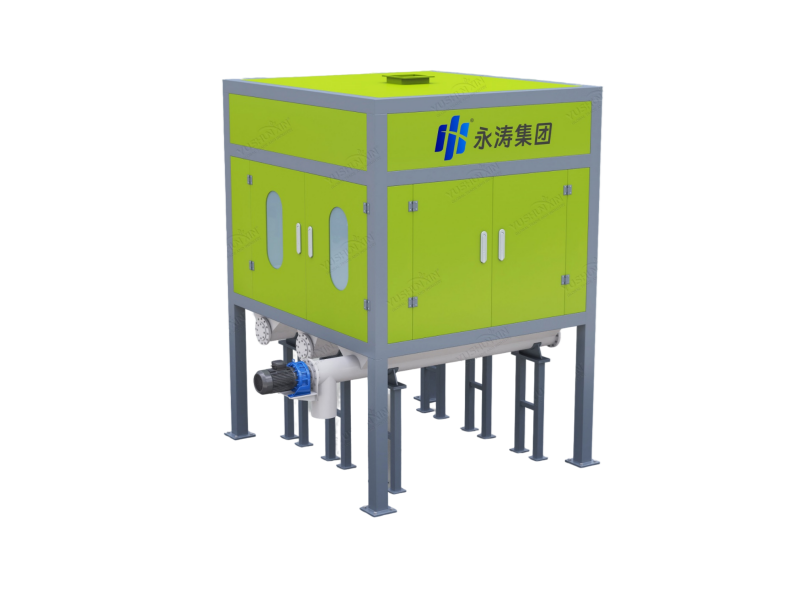


Industrial electrostatic separator improves fine-material recovery in solar panel and lithium battery recycling lines. It separates prepared conductive and non-conductive fractions after crushing, grinding, screening, and gravity separation. Adjustable voltage, roller speed, feed rate, and splitter settings match different materials and product targets. This page presents machine structure, suitable feedstock, capacity options, key parameters, and line integration. Buyers can quickly assess the required purity, throughput, and project configuration.
How Does E-Waste Feed Be Prepared for Stable Electrostatic Separation?
01 · FeedReliable electrostatic separation starts with prepared feed, not raw e-waste. The material must remain dry, evenly sized, and fully liberated. Therefore, Yushunxin reviews composition, upstream equipment, and target products before configuration. This approach matches the separator with actual material conditions, rather than nominal capacity alone.
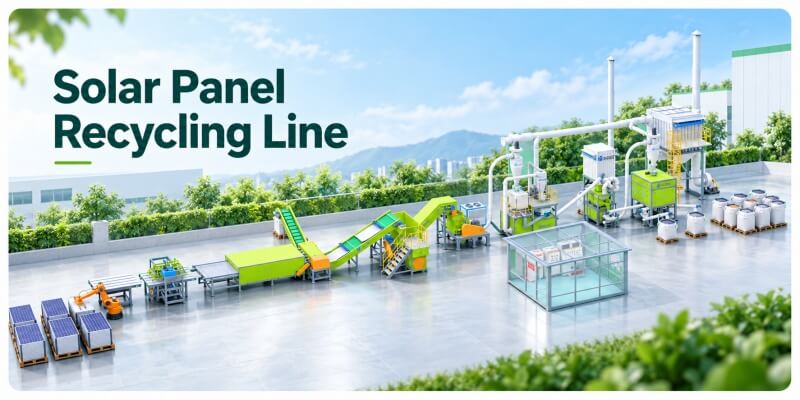
Prepare Solar Panel Residue Through Staged Liberation
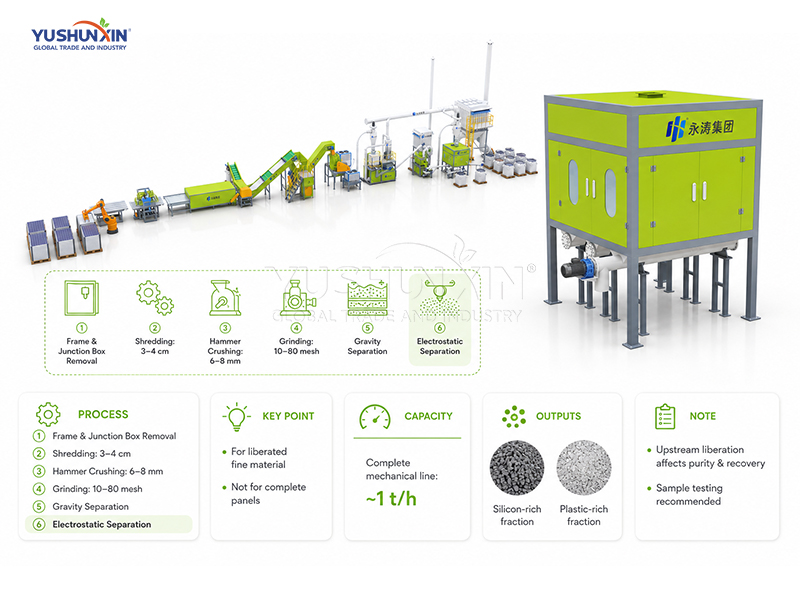
Solar panels first require frame and junction-box removal. Then, a shredder reduces panels to about 3–4 cm. A hammer crusher cuts the material further to around 6–8 mm. Next, the grinding system produces a 10–80 mesh fraction. Gravity separation first removes copper-rich material from the mixed powder. Finally, the electrostatic separator refines silicon-rich and plastic-rich fractions. The complete mechanical line can reach about 1 t/h. However, the separator handles liberated fine material, not complete panels. It cannot replace dismantling, crushing, or grinding. Therefore, upstream liberation directly controls final purity and recovery. Buyers should provide representative samples before standalone equipment selection.
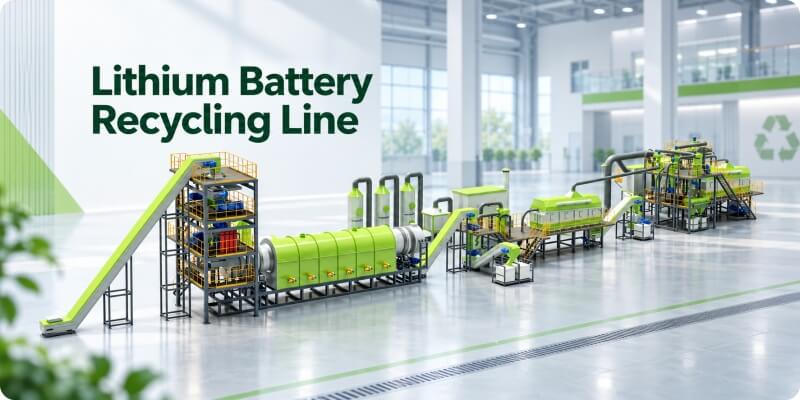
Test Lithium Battery Fine Streams Before Final Configuration
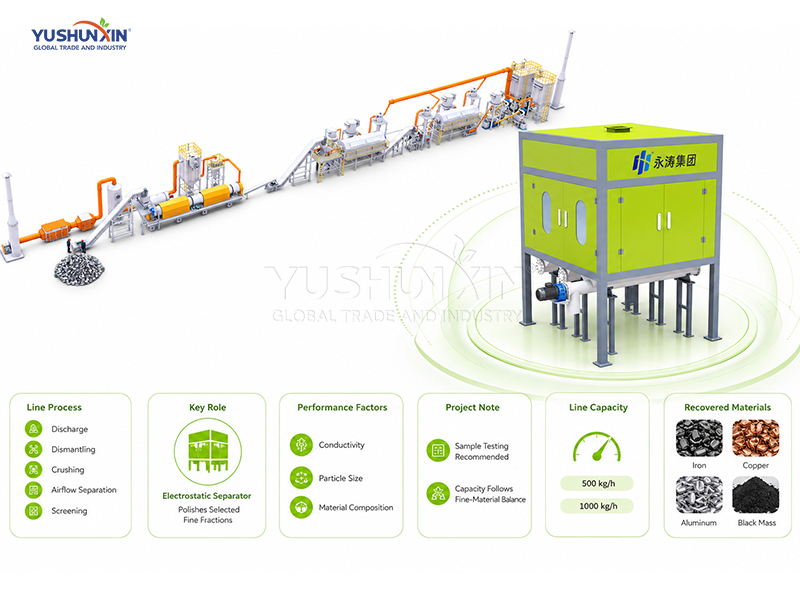
Battery material first needs controlled discharge, dismantling, crushing, airflow separation, and screening. These stages recover iron, copper, aluminum, and black mass through separate routes. The electrostatic separator can polish selected mixed fine fractions. However, it does not suit every battery black-mass stream. Conductivity, particle size, and material composition determine separation performance. Graphite, metal powder, and active materials can change particle response. Therefore, Yushunxin recommends sample testing before equipment selection. Complete battery recycling lines can process about 500 kg/h or 1,000 kg/h. Yet, separator capacity must follow the actual fine-material balance.
Stabilize Feed Conditions Before Continuous Separation
Stable operation requires a narrow particle-size range and consistent moisture. The material also needs complete metal and non-metal liberation. Moreover, the feeder should maintain a thin and continuous material layer. Magnetic contaminants must leave the stream before electrostatic separation. Excessive fine powder can disturb charging and contaminate the electrodes. Therefore, enclosed transfer and negative-pressure dust collection protect the separation zone. This control protects product purity, material recovery, and hourly throughput. Yushunxin verifies these conditions during material testing and commissioning.
How Can the Separation Module Maintain Purity at Industrial Throughput?
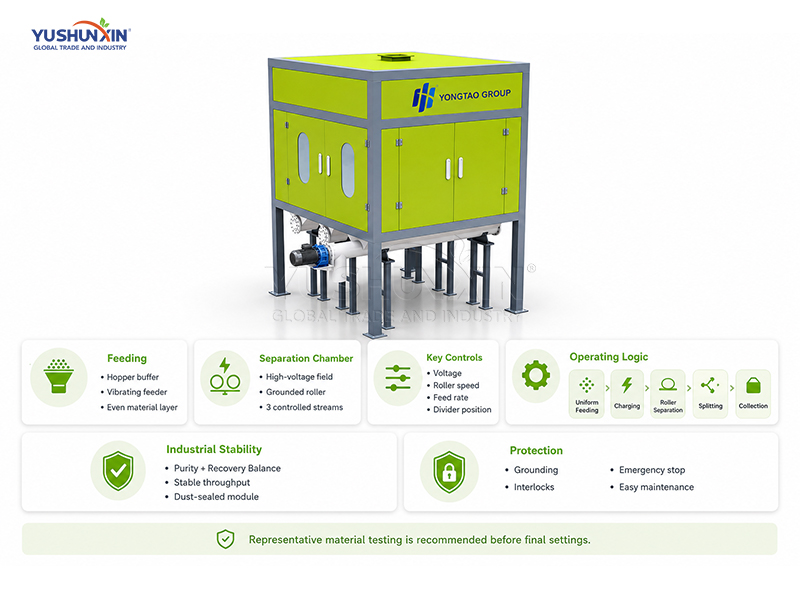
02 · PurityIndustrial separation depends on controlled feeding, a stable electric field, and accurate product splitting. Yushunxin integrates these functions inside one enclosed module. Operators can coordinate voltage, roller speed, feed rate, and divider position. Therefore, the machine can balance throughput, purity, recovery, and operating stability.
Controlled Feeding
Keeps Separation Stable
Controlled Feeding distributes material evenly before electrostatic separation. Stable layer thickness, feed rate and hopper control improve throughput and separation consistency.
Enclosed Separation
Chamber Creates Streams
Enclosed Separation Chamber uses high-voltage charging and roller separation to divide conductive and non-conductive materials. Adjustable splitting improves purity and recovery.
Coordinated Settings
Match Different Residues
Coordinated Settings adjust voltage, roller speed, electrode position and feed conditions. Material testing helps balance recovery, purity and stable operation.
Integrated Protection Supports
High-Voltage Operation
Integrated Protection combines grounding, interlocks, alarms and dust control. These systems improve safety, maintenance efficiency and continuous separation performance.
Summary
Stable electrostatic separation starts with dry, liberated, and uniformly sized feed. Therefore, Yushunxin designs the complete route around crushing, grinding, screening, gravity separation, and controlled feeding. We can supply a standalone separator, an integrated module, or a complete e-waste recycling solution. Related solutions include our solar panel recycling line and lithium battery recycling line. You can also review our gravity separator, vibrating screen, and articles. You can also read solar panel pyrolysis disposal solution for PV waste recycling projects. These articles connect upstream preparation, fine separation, and downstream material recovery.
From Your Needs
to Real Impact


